Warning Bells for Kalen Deboer as Alabama Loses NIL Race After Arkansas Inks Major Deal
Starting August 1, Division I teams can add up to two extra commercial logos on uniforms and apparel and one on equipment during the preseason and regular seaso...
Starting August 1, Division I teams will have the opportunity to add extra commercial logos on their team uniforms, apparel, and equipment during the preseason and regular season. This new rule also allows for an additional logo to be added for conference championship games. With the recent news of Arkansas signing a major deal with Tyson Foods, it seems like some schools are wasting no time in taking advantage of this new opportunity.
The NCAA's decision to allow extra commercial logos on team gear has been met with both excitement and caution. While it presents a lucrative opportunity for schools and their athletes, it also raises concerns about the potential impact on the integrity of college sports. The fear is that these deals could turn college athletes into walking billboards, detracting from the purity of the game.
However, this doesn't seem to be stopping schools like Arkansas from embracing this new rule. They have already inked a major deal with Tyson Foods, and it's only the beginning. This deal will see Tyson's logo prominently displayed on the Razorbacks' team uniforms, apparel, and equipment. This move has raised a lot of eyebrows, with many questioning whether this could potentially give Arkansas an advantage in recruiting top talent.
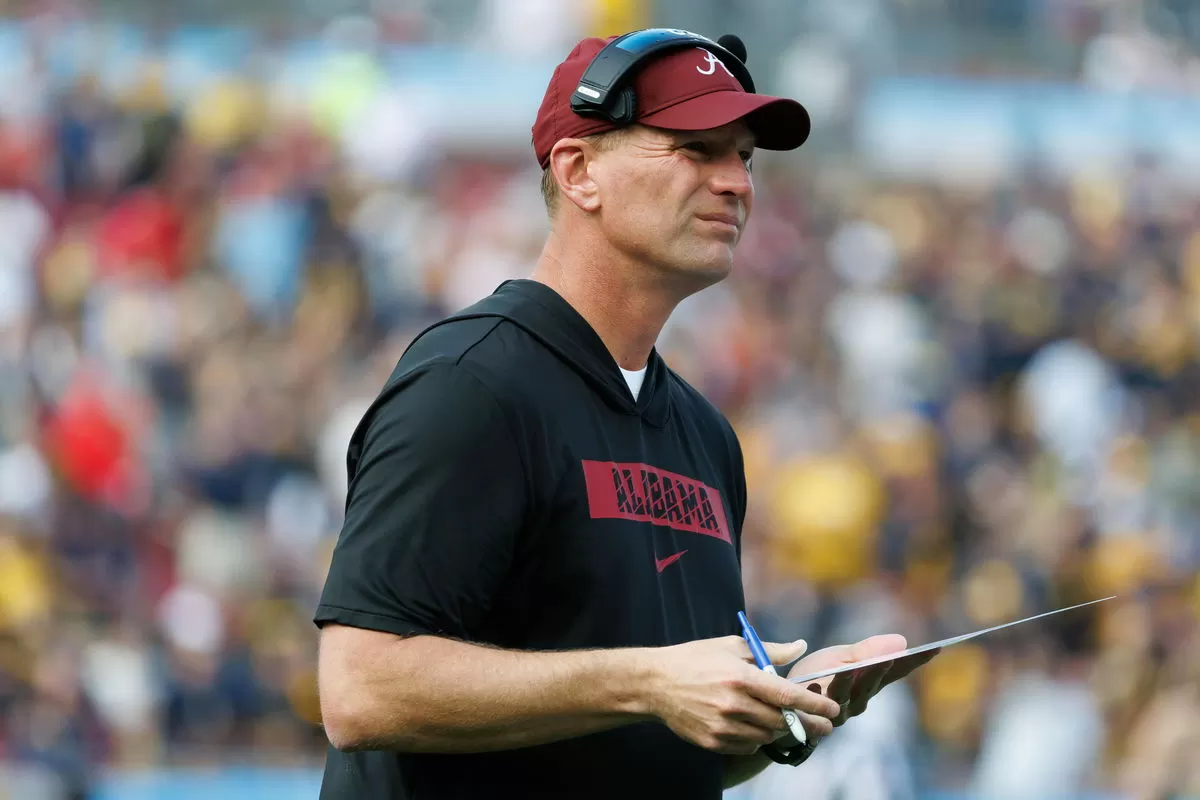
But while Arkansas may have been quick to jump on this opportunity, it serves as a warning bell for other schools, especially when it comes to Kalen Deboer and the University of Alabama. As one of the most prestigious and successful college football programs in the country, many expected Alabama to be at the forefront of the NIL race. However, with Arkansas securing a major deal with Tyson Foods, Alabama finds itself lagging behind.
This is a surprising turn of events, considering Alabama's dominance on the field and their reputation as a top destination for high-level recruits. But it seems like they may have underestimated the importance of the NIL race and the impact it could have on their program. While they may have been focused on their on-field success, other schools were busy making strategic moves to secure lucrative deals with major companies.
This is not to say that Kalen Deboer and Alabama are out of the race entirely. They still have time to catch up and secure deals that will benefit their athletes and their program. But this recent development should serve as a wake-up call for them to take the NIL race seriously and make moves to stay competitive.
The new NIL rule has opened up a whole new world of opportunities for college athletes, which is a positive development in itself. For years, these students have been restricted from profiting off their name, image, and likeness while their schools and the NCAA have made millions from their talents. This rule finally gives them the chance to capitalize on their hard work and dedication.
It's also a win for schools, who can now use these deals as a way to attract top talent to their programs. The more lucrative deals they secure, the better their chances of landing high-profile recruits. This could potentially level the playing field and give smaller schools a chance to compete with the powerhouses.
So while there may be some concerns about the impact of commercial logos on team gear, it's important to remember that this is a positive step towards empowering college athletes. It's also an opportunity for schools to tap into new revenue streams and stay competitive in the ever-changing landscape of college sports.
In the end, it will be up to schools like Alabama to catch up and make strategic moves to secure deals that will benefit their athletes and their program. The warning bells have been sounded, and it's time for them to take action. The NIL race is on, and it's only just begun.


