Infantino Critics Demand Resignation or Face FIFA Non-Cooperation
Opponents of Fifa president Gianni Infantino threaten non-cooperation with the organization unless he steps down, according to senior UEFA sources.
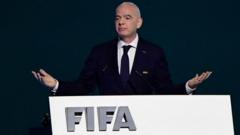
FIFA Leadership Under Pressure as Infantino Faces Growing Opposition
Senior officials from Europe's governing football body are escalating demands for change at FIFA's highest level. Sources close to the UEFA leadership reveal that Infantino resignation threats have become increasingly serious, with prominent figures warning of potential non-cooperation measures if the current president does not step aside.
The Nature of Threatened Non-Cooperation
According to reports from within UEFA circles, opponents of Gianni Infantino have explicitly warned of reduced cooperation with FIFA operations. These threats represent a significant escalation in the ongoing tensions surrounding the organization's leadership structure. The non-cooperation stance would impact various administrative functions and collaborative initiatives typically managed between UEFA and FIFA.
Why Opposition Is Growing Against the Incumbent President
The mounting pressure against Infantino stems from several governance concerns that have emerged throughout his tenure. European football authorities have expressed dissatisfaction with various administrative decisions and policy implementations that they believe do not align with the interests of member associations across the continent.
The decision to consolidate opposition against the FIFA president demonstrates the serious nature of internal divisions. Rather than isolated complaints, this represents a coordinated effort among influential stakeholders to challenge the current leadership framework. The Infantino resignation threats indicate that supporters of institutional change are prepared to take concrete action.
UEFA's Strategic Position in the Conflict
The involvement of senior UEFA sources in communicating these threats reveals Europe's central role in FIFA's internal dynamics. As the most influential continental confederation, UEFA's stance carries substantial weight in international football governance. The organization has consistently advocated for administrative transparency and accountability within FIFA's structure.
Sources within the European federation have made clear that continued cooperation cannot be guaranteed under existing circumstances. This ultimatum reflects the depth of frustration among representatives who feel their concerns have been inadequately addressed by current management.
Implications for FIFA's Global Operations
Should the threatened non-cooperation measures be implemented, FIFA would face considerable operational challenges. European federations' withdrawal of collaborative support would disrupt numerous programs and initiatives that depend on inter-confederation coordination. The international football community would experience disruptions across competition scheduling, regulation development, and administrative processes.
The severity of these warnings suggests that dissenting parties have exhausted conventional channels for expressing their concerns. When influential confederations resort to threatening withdrawal of cooperation, it signals a fundamental breakdown in institutional trust.
The Broader Context of FIFA Governance
These developments occur within a longer history of contentious leadership debates at FIFA. Previous controversies have established a pattern of resistance from regional confederations whenever major policy decisions or administrative choices require consensus. The current Infantino resignation threats must be understood within this historical context of governance tensions.
The organization has faced persistent criticism regarding decision-making processes, financial transparency, and the distribution of resources among member nations. European representatives have frequently voiced concerns about these institutional practices, suggesting that opposition extends beyond personal objections to the president.
Next Steps and Potential Resolutions
The ultimatum presented through these warnings suggests that negotiations or formal discussions may follow. Whether Infantino chooses to address the underlying concerns or respond to the non-cooperation threats remains to be determined. The coming weeks will likely reveal whether peaceful resolution is achievable or whether the conflict escalates further.
The football world watches carefully as these high-stakes developments unfold. The resolution of this leadership crisis will have profound implications for international football governance and the direction of FIFA's future policies.


