UK and Caribbean Nations Launch Dialogue on Slavery Reparations
UK agrees to structured dialogue with Caribbean nations on slavery reparations within the next year, following Commonwealth summit consensus led by Antigua and...
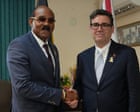
Historic Agreement on Slavery Reparations Dialogue
Slavery reparations have taken a significant step forward as the United Kingdom has committed to initiating "structured dialogue" with Caribbean nations impacted by the transatlantic slave trade and its enduring consequences. This landmark development emerged from discussions among Commonwealth leaders, marking a pivotal moment in addressing historical injustices and their contemporary effects.
Gaston Browne, the prime minister of Antigua and Barbuda, announced that a "consensus" was reached during deliberations at the Commonwealth heads of government meeting (Chogm) regarding the pathway forward on slavery reparations negotiations. This consensus reflects growing acknowledgment among Commonwealth nations of the necessity to engage in meaningful conversations about addressing the historical wrongs of slavery and colonialism.
Commonwealth Summit Reaches Consensus
The dialogue framework represents an important acknowledgment of the demands raised by Caribbean nations seeking accountability and redress for centuries of exploitation through slavery. The structured approach agreed upon by Commonwealth leaders demonstrates a willingness to engage constructively on one of the most pressing historical and moral issues facing the international community today.
Antigua and Barbuda has emerged as a vocal advocate within the Commonwealth, with Prime Minister Browne emphasizing the importance of formal discussions between affected nations and the United Kingdom. The inclusion of structured dialogue in the Commonwealth's official outcomes signals that slavery reparations are no longer a peripheral concern but a central matter requiring sustained diplomatic engagement.
Implications for Affected Caribbean Nations
The commitment to dialogue within the next year opens the possibility for comprehensive discussions about various forms of redress, including financial compensation, debt relief, educational initiatives, and cultural restitution. Caribbean nations have long articulated the economic and social consequences of slavery and colonial rule, which continue to shape development challenges and inequality in the region.
The structured format of these negotiations suggests a more formal and organized approach compared to previous discussions. This framework could facilitate detailed examination of specific claims, historical documentation, and potential mechanisms for addressing grievances. The involvement of multiple Caribbean governments alongside the UK indicates that these discussions will extend beyond bilateral arrangements to encompass a broader regional perspective.
Moving Beyond Traditional Diplomacy
The agreement to pursue slavery reparations dialogue reflects evolving global perspectives on historical justice and accountability. International recognition of colonial-era injustices has grown substantially, with increasing numbers of nations and institutions acknowledging their historical roles in slavery and exploitation.
Commonwealth leaders have effectively signaled that slavery reparations merit serious consideration and sustained engagement. The structured nature of the proposed dialogue suggests that participants are prepared for substantive conversations rather than symbolic gestures. This approach could establish precedents for how international communities address historical wrongs and their contemporary manifestations.
Timeline and Expectations
With dialogue scheduled to commence within the next year, Caribbean nations and the United Kingdom have a defined timeframe for initiating formal negotiations on slavery reparations. This timeline provides sufficient opportunity for governments to prepare comprehensive proposals, gather necessary documentation, and develop negotiating positions.
The consensus achieved at Chogm demonstrates that participating nations recognize the legitimacy of slavery reparations as a subject requiring urgent attention. Prime Minister Browne's articulation of this agreement suggests that the Caribbean region enters these discussions with unified expectations and coordinated messaging regarding slavery reparations outcomes.
Broader Context and Significance
This development occurs within a global context of increasing accountability for historical injustices. Various nations and organizations have initiated processes examining colonial legacies and slavery-related crimes. The Commonwealth's formal engagement with slavery reparations positions the organization as responsive to contemporary demands for justice and accountability.
The structured dialogue approach offers potential benefits for all participants by creating dedicated space for substantive discussions about complex historical and contemporary issues. By establishing formal mechanisms for addressing slavery reparations, Commonwealth leaders have demonstrated commitment to moving beyond rhetorical support toward actionable engagement.