UK EU Rejoining Possibility Emerges Amid Trade Negotiations
UK rejoining the EU could feature in future discussions, says Ed Miliband. Latest trade and youth deals mark progress between Britain and European partners.

UK Rejoining EU Possibility Gains Traction in Diplomatic Discussions
Discussions surrounding UK rejoining the EU have entered the informal diplomatic sphere as Britain pursues new trade agreements and collaborative initiatives with European partners. Foreign Secretary Ed Miliband indicated that the question of UK rejoining the EU could emerge during upcoming informal conversations, suggesting a broadening of the negotiation agenda beyond immediate trade matters.
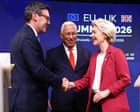
During meetings held in Brussels on Friday, Prime Minister Keir Starmer confirmed successful agreements on trade arrangements and youth cooperation initiatives with European Union representatives. The developments represent a significant moment in the post-Brexit relationship between the United Kingdom and the European bloc.
Miliband Signals 'All Options' Remain Under Consideration
In a statement following the Friday negotiations, Miliband emphasized that the British government maintains an open-minded approach to future discussions with European counterparts. The foreign secretary's comments suggest that conversations between senior UK officials and EU leadership will not be restricted to conventional trading matters.
The indication that UK rejoining the EU could feature in informal discussions represents a notable shift in the tone of diplomatic engagement since Britain's departure from the bloc. While no formal membership negotiations have been proposed, Miliband's reference to examining "all options" indicates a willingness to explore comprehensive solutions to longstanding questions about the UK's place within the European framework.
Trade and Youth Cooperation Framework Strengthens UK-EU Ties
The agreements reached on Friday address two critical areas of bilateral cooperation. Trade arrangements concluded during the Brussels meeting are designed to facilitate smoother commercial relationships between British businesses and their European counterparts. These provisions aim to reduce friction in cross-border commerce and establish clearer regulatory frameworks for goods and services movement.
The youth cooperation component of the new agreements focuses on enhancing educational and professional exchange opportunities for young people across UK and EU member states. This initiative seeks to foster deeper cultural and academic connections between British and European youth, promoting mutual understanding and skill development across generational lines.
Prime Minister Hails Progress in UK-Europe Relations
Prime Minister Keir Starmer characterized the Friday agreements as "a good day for Britain and Europe," reflecting optimism about the trajectory of post-Brexit relations. The statement suggests that both the British government and European Union leadership view the negotiations as productive steps toward normalized relations.
The timing of these developments coincides with broader efforts to establish a more collaborative relationship following the contentious Brexit process. By advancing concrete agreements on trade and youth exchanges, both parties demonstrate commitment to practical cooperation despite historical disagreements.
Informal Discussions and Future Diplomatic Engagement
References to discussions between Andy Burnham, leader of local government matters, and European counterparts indicate that UK rejoining the EU conversations may extend beyond central government into regional and local governance discussions. This multi-level engagement suggests a comprehensive approach to reimagining UK-Europe relations.
The characterization of these discussions as "informal" carries strategic significance, allowing both parties to explore substantive issues without the formality and rigidity that characterizes official negotiations. Informal channels often prove more productive for addressing sensitive political matters, particularly those involving significant sovereignty and institutional questions.
Strategic Implications for UK Foreign Policy
The government's openness to discussing UK rejoining the EU marks a departure from the previous administration's firmly closed position on this question. Under prior leadership, any discussion of rejoining the bloc was categorically dismissed. The current administration's willingness to include such questions in diplomatic conversations signals a potential recalibration of British foreign policy priorities.
By maintaining that "all options" remain under consideration during future talks, the foreign secretary preserves maximum flexibility for the UK negotiating position. This approach allows the government to respond to changing circumstances and emerging opportunities without binding itself to predetermined positions.
Broader Context of UK-EU Relations
These developments occur against the backdrop of ongoing challenges arising from Brexit implementation. Business sectors across the UK continue to grapple with regulatory divergences, customs procedures, and market access restrictions introduced following departure from the European Union. The new agreements on trade represent tangible efforts to address some of these practical difficulties.
The inclusion of youth cooperation initiatives reflects recognition that future generations will inherit whatever relationship framework is established between the UK and EU. By prioritizing educational and professional exchanges, both parties acknowledge the importance of maintaining human connections and cultural ties regardless of formal institutional arrangements.
As these informal discussions progress, the question of UK rejoining the EU may transition from political taboo to legitimate subject matter for serious diplomatic consideration. The outcome of these conversations could significantly reshape the trajectory of British foreign policy and UK-Europe relations for decades to come.