Technology's Growing Role in Wildfire Detection Systems
Discover how advanced technology is transforming wildfire detection and monitoring, while firefighters remain essential for containment and emergency response o...
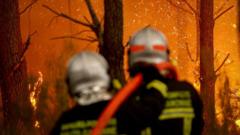
The Evolution of Wildfire Detection Technology
Wildfire detection technology has emerged as a critical component in modern forest management and emergency preparedness strategies. While advanced surveillance systems and artificial intelligence continue to transform how authorities identify and track active fires, experienced firefighters remain indispensable when it comes to actual suppression and containment efforts. The integration of cutting-edge monitoring tools with traditional firefighting expertise creates a comprehensive approach to managing one of nature's most destructive forces.
The deployment of wildfire detection technology across vulnerable regions has significantly improved response times and early warning capabilities. Satellite imagery, thermal sensors, and drone-based monitoring systems now work in conjunction with ground-based observation networks to provide real-time data about fire behavior and spread patterns. These technological advancements enable emergency coordinators to allocate resources more efficiently and prepare communities for potential threats.
Advanced Systems for Early Warning and Surveillance
Modern wildfire detection technology utilizes multiple layers of sophisticated equipment and software to identify fires before they become catastrophic. Automated camera networks positioned on strategic vantage points can spot smoke and flames within minutes of ignition. Meanwhile, satellite-based infrared detection systems provide broader coverage across vast geographic areas, allowing authorities to monitor conditions in real-time regardless of weather or accessibility challenges.
Artificial intelligence algorithms have revolutionized the analysis of wildfire detection data. Machine learning models can now predict fire behavior, estimate spread direction, and identify high-risk zones with remarkable accuracy. These predictive capabilities enable fire management agencies to position personnel and equipment proactively rather than reactively, potentially preventing smaller incidents from escalating into major disasters.
Why Firefighters Remain Essential Despite Technology
Despite impressive technological advances, firefighters continue to be absolutely crucial to wildfire management and public safety. Detection systems can alert authorities to emerging threats, but only trained personnel can physically combat active fires and protect lives and property. The combination of wildfire detection technology with experienced firefighting teams creates an optimal response framework.
Firefighters bring irreplaceable human judgment, adaptability, and physical capability to emergency situations. They understand complex terrain, can make split-second tactical decisions, and respond to unpredictable fire behavior. The most sophisticated wildfire detection technology cannot replace the skill required to establish firebreaks, conduct controlled burns, rescue civilians, or manage evacuations during high-stress scenarios.
Integrated Approaches: Technology and Human Expertise Working Together
The most effective wildfire management strategies combine advanced detection systems with experienced firefighting personnel. This integrated model leverages technology's strengths in monitoring and early warning while maintaining firefighters' essential role in active suppression and emergency response. Fire agencies worldwide now organize their operations around this complementary relationship.
Training programs increasingly emphasize how firefighters can work effectively alongside technological systems. Personnel learn to interpret data from wildfire detection technology, understand algorithmic predictions, and coordinate with drone operators and remote sensing specialists. This multidisciplinary approach enhances overall operational effectiveness and safety.
Investment in Technology and Human Resources
Strategic investment in wildfire detection technology continues to grow, with governments and agencies recognizing the value of early identification and monitoring capabilities. Simultaneously, departments are also investing heavily in firefighter recruitment, training, and equipment, understanding that human capacity remains non-negotiable. The most successful fire management regions maintain balanced investments in both technological infrastructure and personnel development.
Budget allocations increasingly reflect this dual-focus approach. Rather than viewing technology and firefighting as competing priorities, agencies now see them as mutually reinforcing components of comprehensive wildfire management. Enhanced wildfire detection technology can actually make firefighting operations more efficient by providing better intelligence and supporting faster decision-making.
Future Perspectives on Wildfire Management
As technology continues advancing, the role of firefighters will likely evolve rather than diminish. Emerging innovations may include autonomous ground equipment, augmented reality systems for tactical planning, and even more sophisticated predictive models for fire behavior. However, these developments will supplement rather than replace the human expertise that firefighting demands.
The partnership between wildfire detection technology and professional firefighting represents the future of fire management. Communities and agencies that recognize and nurture both elements will be best positioned to minimize fire-related disasters and protect vulnerable populations effectively.


