Trump Weighs AI Regulation Framework Following OpenAI Security Breaches
Trump administration reconsiders AI controls strategy after recent OpenAI hacking incidents, marking a shift toward regulatory oversight of artificial intellige...
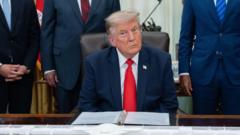
Trump Administration Shifts Stance on AI Regulation
The Trump administration is actively evaluating new AI regulation measures in response to recent security breaches affecting OpenAI, representing a notable departure from its previously established position on technological governance. This strategic reassessment demonstrates a growing recognition within federal leadership regarding the importance of establishing protective frameworks for artificial intelligence systems operating across the nation's digital infrastructure.
Background of the Policy Reversal
Previously, the Trump administration had maintained a distinctly hands-off philosophical approach toward emerging technologies, favoring market-driven solutions and minimal government intervention. However, the recent OpenAI security incidents have prompted officials to reconsider this libertarian-leaning stance, acknowledging that certain safeguards may be necessary to protect critical systems and sensitive data from malicious actors.
The shift in perspective reflects broader concerns within governmental circles about the vulnerability of artificial intelligence infrastructure to coordinated cyberattacks. Security analysts have pointed to the increasing sophistication of hacking techniques targeting major technology firms, particularly those engaged in AI development and deployment.
OpenAI Hacking Incidents and Their Implications
The specific incidents involving OpenAI have served as a catalyst for this policy reevaluation. These breaches have exposed potential vulnerabilities within systems that millions of users depend upon daily for various applications and services. The incidents underscore the critical need for robust security protocols and regulatory oversight mechanisms.
Administration officials have indicated that artificial intelligence controls could encompass several domains, including data protection standards, authentication requirements, and incident reporting procedures. Such measures would establish baseline security expectations for organizations operating within the AI sector.
Proposed Framework for AI Oversight
The emerging regulatory approach emphasizes balancing innovation with security imperatives. Rather than imposing restrictive measures that might stifle technological advancement, the administration appears inclined toward developing flexible guidelines that encourage industry participation in establishing voluntary compliance standards.
Key components of the proposed framework include mandatory disclosure protocols for security vulnerabilities, third-party auditing mechanisms, and enhanced cybersecurity hacking prevention measures. These elements would work in concert to create a comprehensive security ecosystem supporting the responsible development and deployment of AI technologies.
Industry Response and Stakeholder Engagement
Technology companies have begun responding to signals of incoming regulatory attention. Some firms have proactively enhanced their security infrastructure and established dedicated teams focused on threat identification and mitigation. Industry leaders recognize that demonstrating commitment to robust security practices may influence the eventual shape of official policy.
Stakeholder consultations are underway between government agencies and technology sector representatives. These discussions aim to identify practical, implementable standards that address legitimate security concerns without imposing excessive compliance burdens on innovative enterprises.
Broader Context of Technological Governance
This policy evolution occurs within the context of intensifying global competition for artificial intelligence dominance. The United States faces mounting pressure to maintain technological leadership while simultaneously addressing domestic security vulnerabilities. The Trump administration's emerging regulatory framework represents an attempt to navigate these competing priorities.
International developments have also influenced this reassessment. Cyberattacks attributed to foreign adversaries targeting American technology infrastructure have elevated national security considerations within policy discussions surrounding AI regulation and oversight.
Implementation Timeline and Next Steps
While specific implementation timelines remain under review, administration officials have suggested that preliminary regulatory guidance could emerge within the coming months. The development process will likely involve iterative consultations with affected industries, security experts, and other relevant stakeholders.
The transition from a hands-off approach to measured regulatory engagement represents a significant evolution in how the Trump administration conceptualizes its role in governing emerging technologies. This recalibration acknowledges that strategic government involvement can enhance security while preserving space for continued innovation and competitive advancement within the AI sector.


