Glacier Collapse Triggered Catastrophic Nepal-Tibet Floods
Scientists confirm glacier collapse as the cause of devastating Nepal-Tibet floods, highlighting rapid Himalayan ice melting and climate risks.
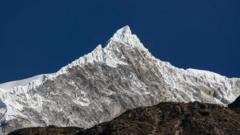
Glacier Collapse Identified as Primary Cause of Catastrophic Flooding
A glacier collapse has emerged as the primary trigger behind the devastating floods that swept through Nepal and Tibet, according to preliminary scientific investigations. This glacier collapse floods event underscores growing concerns about the accelerating deterioration of Himalayan ice masses and the intensifying natural disasters linked to climate change across the region.
Researchers conducting field assessments have documented substantial evidence indicating that the sudden structural failure of the glacier initiated massive water discharge and debris flows downstream. The catastrophic glacier collapse generated torrential flooding that impacted multiple valleys and communities across both nations, demonstrating the significant physical and ecological consequences of rapidly destabilizing ice formations in high-altitude environments.
Himalayan Ice Melting and Environmental Implications
The incident has renewed focus on Himalayan ice melting as a critical environmental challenge affecting millions of residents across South and East Asia. Scientists emphasize that the collapse represents a symptom of broader climatic patterns characterized by increasing temperatures, reduced snowfall accumulation, and weakened glacier structural integrity throughout the mountain range.
Data collected from satellite imagery and ground surveys reveal that glacial retreat has accelerated significantly over the past two decades. This rapid glacier collapse floods scenario reflects the vulnerability of ice masses that have historically provided stable water supplies to downstream regions during dry seasons. The destabilization threatens not only immediate flood hazards but also long-term water availability for agricultural and municipal purposes.
Scientific Analysis and Investigation Findings
Preliminary investigations conducted by glaciologists and hydrologists have mapped the flood's origin point to a specific glacier that experienced structural failure due to accumulating meltwater and thermal stress. The Nepal Tibet disaster team gathered evidence including satellite photographs, eyewitness accounts, and hydrological measurements to reconstruct the sequence of events leading to the catastrophic water release.
The research indicates that the glacier had been progressively weakening due to increased surface melting and internal stress accumulation. Scientists identified multiple crevasses and sections of instability prior to the final collapse, though the precise timing of failure occurred rapidly, providing little warning to populations in affected areas.
Climate Change and Glacier Vulnerability
This catastrophic event highlights the direct relationship between climate change glaciers and natural disaster frequency in mountainous regions. Researchers note that global warming has accelerated glacial retreat rates throughout the Himalayas, reducing the thickness and extent of ice formations that have persisted for millennia.
Temperature increases at high altitudes have altered precipitation patterns, shifting what historically fell as snow toward rain, reducing glacier accumulation and accelerating ablation processes. These changes have fundamentally modified the balance between annual ice gain and loss, pushing many glaciers toward instability and eventual failure.
Regional Impact and Community Response
The flooding from this mountain flood events scenario affected numerous villages, destroyed infrastructure, and displaced thousands of residents from their homes. Damage assessments documented destroyed bridges, washed-out roads, damaged agriculture fields, and compromised water systems throughout the impacted valleys.
Emergency response teams mobilized immediately following the flooding to conduct rescue operations, provide humanitarian assistance, and assess the extent of infrastructure damage. Survivors reported sudden surges of water and debris moving through previously calm valleys with unprecedented force and velocity.
Future Risks and Early Warning Systems
Scientists recommend enhanced monitoring of remaining unstable glaciers in the region to provide early warning of future collapse events. Implementation of advanced sensor networks, satellite surveillance, and community alert systems could potentially reduce casualties and allow populations time for evacuation before catastrophic glacier collapse floods occur.
Research teams are conducting detailed hazard assessments to identify other glaciers exhibiting similar vulnerability factors and instability indicators. These studies aim to create comprehensive risk maps and establish protocols for communities living in glacier-fed valleys throughout Nepal, Tibet, and adjacent regions.


