Trump Issues Stern Warning to Oman Over Iran Nuclear Accord
Trump threatens military action against Oman amid escalating tensions over Iran negotiations and Strait of Hormuz access. Strategic implications analyzed.
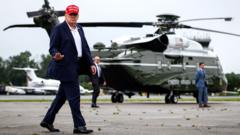
Trump's Contentious Position on Oman's Iran Involvement
Donald Trump has issued a forceful warning directed at Oman regarding its involvement in ongoing negotiations concerning the Iran nuclear agreement. The former president's aggressive rhetoric toward the Gulf nation marks an escalation in rhetoric surrounding international diplomacy in the Middle East. Trump threatens Oman with potential military consequences should the sultanate interfere with his administration's strategic objectives regarding Iran policy and regional stability.
The controversial statement underscores deepening divisions over how world powers should approach negotiations with Tehran. Trump's position reflects his well-documented skepticism toward existing international agreements with Iran, including the Joint Comprehensive Plan of Action (JCPOA) that his administration previously abandoned in 2018.
Oman's Strategic Role in Regional Diplomacy
Oman has positioned itself as an independent mediator in regional disputes, establishing separate channels of communication with Iran to address critical maritime security issues. The sultanate has undertaken its own diplomatic initiatives aimed at reopening the Strait of Hormuz, one of the world's most vital shipping routes through which approximately 20 percent of global oil passes daily.
The nation's efforts to facilitate dialogue between regional powers highlight its unique geopolitical standing. Unlike other Gulf Cooperation Council members that have aligned more closely with Western interests, Oman has maintained relatively balanced relationships across the region, enabling it to serve as a neutral intermediary in sensitive negotiations.
The Expiring Peace Negotiation Window
Trump's ultimatum arrives precisely as a critical 60-day deadline for peace negotiations approaches expiration. This timeframe has represented a crucial opportunity for diplomatic breakthroughs and de-escalation efforts among involved parties. The approaching deadline intensifies pressure on all stakeholders to reach agreements before the window closes entirely.
The timing of Trump's warning raises questions about the sincerity of peace efforts and whether his administration intends to pursue dialogue or confrontation regarding Iran policy. International observers note that ultimatums of this nature often complicate diplomatic processes rather than facilitate constructive negotiations.
Implications for International Relations
Trump threatens Oman's sovereignty through statements that many analysts characterize as unprecedented in modern international discourse. Such rhetoric challenges traditional norms of diplomatic engagement between allied nations and raises concerns about the stability of existing regional partnerships.
The potential for military escalation worries regional analysts and international observers who fear that aggressive posturing could trigger unintended consequences. The Strait of Hormuz remains particularly vulnerable to disruption, and any military confrontation involving major powers could devastate global energy markets and international commerce.
Broader Context of US-Iran Relations
Trump's confrontational stance continues his administration's broader strategy of maximizing pressure on Iran through diplomatic isolation and military positioning. This approach contrasts sharply with alternative strategies that emphasize dialogue and gradual confidence-building measures.
The former president's warnings reflect his belief that strength and deterrence provide more effective tools than negotiation for achieving American objectives in the region. This philosophy has animated his Middle East policy throughout his political career and continues to influence his current positions on Iran and related matters.
Regional Reactions and Concerns
Gulf nations are carefully monitoring developments following Trump's statement, recognizing potential implications for their own security arrangements and diplomatic flexibility. Some regional partners question whether supporting Trump's Iran policy aligns with their long-term interests, particularly regarding trade relationships and regional stability.
Oman specifically faces a delicate balancing act between maintaining its traditional mediator role and responding to pressure from more powerful nations with their own strategic agendas. The sultanate's willingness to engage Iran directly demonstrates commitment to its independent foreign policy, though such autonomy increasingly faces challenges from external powers.
Looking Forward
As the 60-day negotiation window draws to a close, uncertainty surrounds the trajectory of future diplomatic efforts and the likelihood of military escalation. Trump threatens to fundamentally alter the regional landscape if his demands are not met, creating an environment of heightened tension and unpredictability.
The coming weeks will prove decisive in determining whether dialogue can overcome confrontation and whether nations like Oman can maintain their diplomatic independence while navigating pressure from dominant powers pursuing divergent interests in the region.


