Bank of England's Cautious Approach May Extend High Interest Rate Period
Niesr warns that the Bank of England's timid rate increase could prolong inflation above the 2% target through 2030, risking sustained high interest rates.
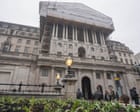
Bank of England Interest Rates Under Scrutiny
The Bank of England's recent approach to managing inflation has drawn significant criticism from economic experts, with concerns that Bank of England interest rates may remain elevated for an extended period. The National Institute of Economic and Social Research (Niesr), a prominent independent economic research organization, has raised alarm bells about the central bank's latest monetary policy decisions and their potential long-term consequences for the UK economy.
Niesr's Critical Assessment
According to Niesr's comprehensive analysis, the Bank of England's measured and cautious approach to interest rate adjustments last week represents a missed opportunity to aggressively combat inflationary pressures. The thinktank's evaluation suggests that this hesitant strategy in addressing inflation UK economy concerns could ultimately result in more persistent price increases throughout the nation.
The research institute delivered a scathing assessment of the central bank's tactics, arguing that the modest rate increase implemented failed to demonstrate the urgency required to effectively tackle the inflationary crisis facing British households and businesses. Niesr contends that a more robust initial response would have been necessary to establish credibility in the fight against rising prices.
Inflation Projections and Economic Outlook
The most troubling aspect of Niesr's findings relates to inflation projections extending well into the coming decade. According to the organization's economic models, the current monetary policy response suggests that inflation will likely remain persistently above the Bank of England's official 2% target until at least 2030. This extended timeline represents a significant departure from previous expectations about inflation control.
This prolonged inflation scenario carries serious implications for the broader UK economy. When inflation remains elevated for extended periods, it creates uncertainty for businesses planning investments, complicates household budgeting decisions, and typically necessitates maintaining higher interest rate hikes to prevent price pressures from accelerating further.
Interest Rate Hikes and Their Extended Duration
The correlation between insufficient initial action and prolonged monetary tightening creates a challenging dilemma for policymakers. If the Bank of England fails to reduce inflation effectively through timely rate increases now, future decisions may require even more aggressive tightening measures to restore price stability. This scenario would inevitably mean that interest rate hikes remain in place longer than would have been necessary with more decisive earlier action.
The economic principle underpinning this concern is straightforward: delayed intervention typically requires more intensive correction later. When central banks respond tentatively to emerging inflation pressures, they often find themselves forced into more prolonged periods of restrictive monetary conditions to eventually restore equilibrium.
Broader Implications for UK Households and Businesses
The prospect of sustained elevated interest rates carries profound implications for different segments of the UK economy. Mortgage holders face uncertainty about future borrowing costs, businesses struggle with expensive capital for expansion and investment, and savers must navigate volatile financial markets while inflation erodes purchasing power.
Niesr's analysis underscores the critical importance of timely and appropriately calibrated monetary policy decisions. The thinktank's position reflects a growing consensus among economic analysts that the central bank must balance the risks of acting too aggressively against the dangers of moving too cautiously when inflation threatens to become entrenched in economic behavior.
The Path Forward for Monetary Policy
Looking ahead, the Bank of England faces mounting pressure to demonstrate more decisive action in implementing monetary policy response strategies. Economic forecasters are increasingly emphasizing that the window for preventing inflation from becoming a persistent feature of the UK economy may be narrowing rapidly.
The debate between Niesr and the central bank reflects fundamental disagreements about the optimal pace and magnitude of interest rate adjustments needed to restore price stability. While the Bank of England previously indicated a measured approach would be appropriate, Niesr contends that events have overtaken this assessment.
This critical juncture highlights the complex challenges facing central bankers attempting to navigate conflicting economic pressures while maintaining credibility with financial markets and the public. The decisions made in coming months will likely determine whether inflation becomes a temporary spike or a long-term structural challenge for the UK economy.