US Treasury Chief Warns Iran of Unprecedented Financial Isolation
Scott Bessent announces America's most severe economic campaign against Iran, threatening isolation for nations maintaining financial ties with Tehran.
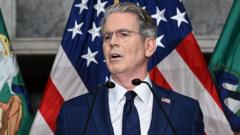
Washington Intensifies Economic Pressure Campaign
United States Treasury Secretary Scott Bessent has declared that Iran financial isolation represents the most aggressive economic initiative the nation has ever encountered. The statement underscores a dramatic escalation in Washington's strategy to constrain Tehran's economic capabilities and limit its global financial reach through coordinated international action.
Bessent's declaration signals a fundamental shift in how the American government intends to leverage its financial infrastructure against Iranian economic interests. The comprehensive nature of this approach extends beyond direct sanctions, encompassing threats against third-party nations that maintain commercial or financial relationships with the Islamic Republic.
Scope of Economic Severance Strategy
The Treasury Secretary's announcement encompasses a complete disconnection of American economic ties with Iran. This multifaceted approach transcends traditional trade restrictions, instead targeting the fundamental economic relationships that sustain Iran's international commerce and financial operations.
According to Bessent, the administration will pursue what officials characterize as the most extensive financial offensive in recent diplomatic history. This strategy involves utilizing America's dominant position in global finance to restrict Iranian access to international banking systems, capital markets, and cross-border payment mechanisms that facilitate legitimate commerce.
International Compliance Requirements
A particularly significant dimension of this economic campaign involves pressure on allied and neutral nations to cease financial partnerships with Iran. The Treasury Secretary made clear that countries choosing to maintain economic ties with Tehran would face consequences, including potential isolation from American financial systems themselves.
This approach leverages the centrality of the United States dollar in international commerce and America's control over correspondent banking networks. Nations and financial institutions dependent on access to dollar-denominated transactions face difficult choices between maintaining Iran relationships or preserving their own financial connectivity.
Implications for Global Partners
The threat of secondary sanctions against Iran's financial partners represents a significant escalation in economic pressure tactics. Countries engaged in commerce with Iran, particularly those in Europe, Asia, and the Middle East, must now calculate the costs of continued engagement with Tehran against potential American economic retaliation.
Strategic Financial Architecture
The comprehensive nature of the proposed Iran financial isolation strategy reflects a broader recalibration of American economic statecraft. Rather than relying exclusively on direct restrictions, officials intend to weaponize the dollar-based international financial system to systematically dismantle Iran's capacity for overseas economic engagement.
This approach targets multiple channels through which Iranian entities conduct international transactions. Banking relationships, insurance arrangements, shipping finance, and investment mechanisms all represent potential pressure points where American financial influence can constrain Iranian economic activity.
Historical Context and Precedent
While the United States has implemented extensive sanctions against Iran for decades, Treasury officials characterize the current initiative as distinctly more comprehensive and aggressive than previous efforts. The expanded scope reflects evolving capabilities in financial surveillance and expanded willingness to impose secondary sanctions on third-party actors.
Previous sanctions regimes, despite substantial impacts on the Iranian economy, permitted certain humanitarian channels and allowed limited commercial activity through specialized banking arrangements. The current strategy appears designed to eliminate such exceptions and create near-total economic disconnection.
Implementation and Timeline
Although Treasury Secretary Bessent did not specify precise timelines for implementing this economic campaign, the rhetoric suggests imminent action. Administration officials have indicated that coordinating with allied governments remains an ongoing process, with the expectation that international cooperation will amplify the financial pressure on Iran.
The practical implementation of Iran financial isolation will depend substantially on participation from major trading partners and financial centers. European financial institutions, in particular, face renewed pressure to sever relationships with Iranian clients and counterparts, despite previous resistance to American sanctions initiatives.
Economic Ramifications for Tehran
Iranian officials have not yet responded formally to Bessent's announcement, though Tehran has historically characterized American sanctions as ineffective and counterproductive. Nevertheless, the threatened isolation campaign could significantly impact Iran's capacity to conduct ordinary international trade, obtain necessary imports, and manage government finances through conventional banking channels.
The comprehensive nature of the proposed economic offensive suggests potential disruption to Iran's essential imports, including food, medicine, and industrial materials. Such consequences extend beyond government and financial institutions to affect ordinary Iranian citizens dependent on imports for basic necessities.
Regional Considerations
The implementation of such extensive sanctions could create unpredictable regional consequences. Iran's neighbors, including Iraq, Turkey, and Afghanistan, maintain substantial commercial relationships with Tehran and may face difficult decisions regarding compliance with American financial pressure.
Conclusion
Scott Bessent's statement regarding Iran financial isolation represents a significant hardening of American economic policy toward the Islamic Republic. The threatened campaign, if implemented comprehensively, would constitute an unprecedented effort to leverage financial systems for strategic purposes and fundamentally alter Iran's position within international commerce.


