US Blocks Chinese Humanoid Robot Imports in AI Rivalry
The Trump administration implements restrictions on Chinese humanoid robots amid intensifying competition between the US and China in artificial intelligence an...
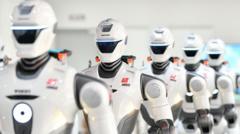
Trump Administration Enforces Restrictions on Chinese Humanoid Robots
The Trump administration has announced a comprehensive ban targeting the importation of Chinese humanoid robots, escalating tensions in the ongoing technological competition between the United States and China. This move represents a significant shift in policy regarding advanced robotic systems and underscores the critical importance both nations place on controlling the development and deployment of humanoid robot technology.
Chinese humanoid robots have emerged as a focal point in the broader geopolitical struggle for supremacy in artificial intelligence and robotics innovation. The prohibition aims to protect American technological interests and prevent potential security vulnerabilities associated with foreign robotic systems entering the domestic market.
The Global Race for Robotics Dominance
The United States and China are engaged in an intense competition to establish leadership in the robotics and artificial intelligence sectors. Both nations recognize that mastery of these technologies will determine economic strength and military capabilities for decades to come. Investment in research and development has accelerated dramatically as each country seeks to advance its technological prowess.
Why Humanoid Robots Matter
Humanoid robots represent a frontier in automation technology, capable of performing complex tasks in diverse environments. From manufacturing to healthcare, these machines promise revolutionary improvements in productivity and efficiency. Their advanced sensors, processors, and artificial intelligence systems make them particularly valuable assets in both commercial and defense applications.
Strategic Implications of the Ban
The restrictions on Chinese humanoid robots reflect broader concerns about technology transfer, intellectual property protection, and national security. American policymakers worry that sophisticated robotic systems could provide insights into cutting-edge artificial intelligence algorithms and advanced manufacturing techniques if they remain accessible to foreign entities.
This ban also signals commitment to nurturing domestic robotics companies and ensuring that American innovation remains competitive on the global stage. By limiting access to Chinese alternatives, the administration aims to create market advantages for domestic manufacturers and research institutions.
Market Impact on Technology Sector
The prohibition is expected to influence supply chains throughout the technology industry. Companies that relied on Chinese humanoid robot components or technology partnerships may need to pivot toward domestic alternatives or renegotiate international agreements. This disruption could accelerate investment in American robotics firms and research centers.
International Response and Trade Tensions
China has expressed strong opposition to the restrictive measures, characterizing them as protectionist practices that undermine free trade principles. Chinese manufacturers and technology firms have argued that the ban unfairly targets their industry while ignoring comparable concerns about American technological dominance in other sectors.
The decision has drawn attention from international trade organizations and allies who monitor technology policy trends. Some nations have expressed concerns about the precedent this sets for technology restrictions and trade barriers that could fragment the global technology ecosystem.
Future Outlook for AI and Robotics Competition
As both superpowers continue investing heavily in artificial intelligence and robotics innovation, additional policy measures are likely. The competition extends beyond humanoid robots to encompass machine learning capabilities, semiconductor manufacturing, and autonomous systems development. Strategic investments in these areas will shape technological leadership throughout the 21st century.
The Trump administration's stance on Chinese humanoid robots demonstrates that technology policy has become inseparable from national security strategy. Moving forward, expect more targeted restrictions and protective measures designed to maintain American competitiveness in emerging technological fields that will define global influence and economic prosperity.


