United States Halts HIV Program Funding in South Africa
The US announces the end of HIV program funding in South Africa, affecting millions living with the virus. Implications for healthcare and international develop...
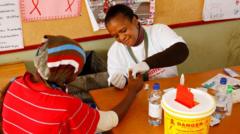
US Halts HIV Program Funding in South Africa: Key Developments
A significant shift in US HIV program funding in South Africa has been announced, marking a substantial change in international health cooperation. The decision carries major implications for one of the world's most affected nations, where approximately 8.2 million individuals are currently managing HIV infection – representing the largest HIV-positive population globally.
The Scale of HIV Infection in South Africa
South Africa continues to bear the heaviest burden of HIV globally, with more than eight million residents living with the virus. This staggering figure underscores the critical nature of sustained treatment and prevention initiatives across the nation. The HIV program funding previously provided by the United States has played an integral role in supporting antiretroviral therapy distribution, counseling services, and prevention campaigns throughout various provinces.
Healthcare Infrastructure Impact
The discontinuation of US HIV program funding represents a watershed moment for South African healthcare systems. For years, American financial support has bolstered medical institutions, research facilities, and community-based organizations dedicated to combating the epidemic. These resources have enabled the expansion of testing centers, treatment accessibility, and education programs in both urban and rural communities.
International Health Cooperation Restructuring
The decision reflects broader changes in international health diplomacy and bilateral development assistance. The US HIV program funding mechanism had established partnerships with South African government agencies, non-governmental organizations, and medical centers across the country. These collaborative frameworks have been instrumental in implementing evidence-based interventions and maintaining consistent care pathways for infected populations.
Transition Challenges and Concerns
Health experts express concern about potential service disruptions during the transition period. Organizations that have relied on US HIV program funding must now identify alternative revenue sources, potentially creating gaps in treatment continuity. South African authorities face the challenge of reallocating domestic resources to maintain program momentum while developing new funding partnerships with international organizations and bilateral donors.
National Response and Future Direction
South Africa's Department of Health has initiated strategic planning to mitigate the effects of reduced external funding. The government is exploring enhanced collaboration with the World Health Organization, bilateral partners, and pharmaceutical companies to sustain antiretroviral therapy provision. Additionally, domestic investment in HIV prevention and treatment infrastructure is being prioritized as part of long-term sustainability measures.
Economic and Social Implications
The halt in US HIV program funding carries broader economic and social dimensions. Employment in health sector organizations may be affected, and communities dependent on comprehensive care services face uncertainty. However, the restructuring may also catalyze greater self-reliance in South Africa's health system, fostering domestic innovation and resource management strategies tailored to local needs and priorities.
Global Perspective on HIV Funding
This development occurs within a complex landscape of global health financing. International donors increasingly emphasize sustainable development and capacity building in recipient nations. South Africa, as the continent's largest economy with established healthcare infrastructure, may be expected to assume greater fiscal responsibility for HIV management while maintaining quality and accessibility standards.
Prevention and Treatment Initiatives
Ongoing HIV prevention campaigns, including PreExposure Prophylaxis (PrEP) programs and sexual health education, remain critical despite funding transitions. South African researchers and clinicians have developed substantial expertise in managing the epidemic, positioning the nation to adapt and innovate despite reduced external support. Community health workers continue delivering essential services at the grassroots level.
Looking Forward: Sustainability and Partnership
The cessation of US HIV program funding necessitates comprehensive strategic planning. South Africa is advancing partnerships with emerging donors, philanthropic foundations, and private sector stakeholders. These multifaceted approaches aim to ensure uninterrupted HIV treatment access for the eight million South Africans currently living with the virus, while strengthening domestic capacity for long-term epidemic management.


