Ukraine's Military Chief Removed Following Major Protests
Ukraine's top army commander Oleksandr Syrskyi is dismissed after widespread backlash over Defence Minister Mykhailo Fedorov's controversial removal.
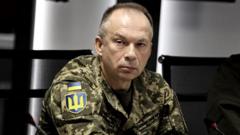
Ukraine's Top Military Commander Steps Down Amid Escalating Tensions
In a significant development within Ukraine's military hierarchy, the nation's leading armed forces commander has been removed from his position following sustained public pressure and widespread demonstrations. The dismissal of the Ukraine army commander marks another pivotal moment in the country's defense establishment, occurring just days after controversial personnel decisions triggered considerable civilian backlash.
Details of the Command Change
Oleksandr Syrskyi, who held the position of Commander-in-Chief of the Armed Forces of Ukraine, has been relieved of his duties. The removal came in the wake of intensifying protests that erupted over the handling of senior defense department appointments. Officials within Ukraine's government confirmed the decision, which represents a substantial shift in the nation's military leadership structure during an ongoing period of national security challenges.
The Catalyst: Defence Minister's Controversial Departure
The immediate trigger for public discontent centered on the removal of Mykhailo Fedorov from his role as Defence Minister. Fedorov had earned considerable popularity among Ukrainian citizens and military personnel for his leadership and public visibility throughout the nation's security efforts. His dismissal sparked unexpected resistance from various segments of society, with citizens and military supporters taking to streets and social media platforms to express their disapproval of the government's decision.
The backlash surrounding Mykhailo Fedorov's removal demonstrated the depth of public attachment to his tenure and raised broader questions about the decision-making processes within Ukraine's highest leadership circles. The sustained nature of the protests indicated that the public sentiment was not a fleeting reaction but reflected deeper concerns about the direction of military and defense administration.
Government Response and Leadership Implications
President Volodymyr Zelensky's administration responded to the escalating demonstrations by making the significant decision to remove the Ukraine army commander. This move appeared designed to address public concerns and restore confidence in the military establishment's leadership. The timing of the dismissal suggested an attempt to quell growing tensions within both civilian and military circles regarding the previous personnel changes.
The removal of such a senior military figure carries substantial implications for Ukraine's command structure and operational continuity. Questions immediately arose regarding succession planning and the selection of a replacement commander who could command respect from both the government and the broader military community.
Broader Context of Military Leadership Changes
This sequence of events reflects ongoing complexities within Ukraine's defense establishment. The dismissal of both a popular Defence Minister and subsequently the armed forces' top commander within such a compressed timeframe raises considerations about strategic decision-making at the highest government levels. Military observers noted that such rapid leadership changes typically require careful management to maintain institutional stability and morale among troops.
The public nature of the protests and government's responsive action demonstrated the significant degree to which civilian sentiment influences military personnel decisions in Ukraine. Unlike in some nations where such appointments proceed with minimal public input, the Ukrainian case illustrated how popular opinion could directly impact high-level defense appointments.
Implications for Ukraine's Defense Posture
The personnel changes within Ukraine's military leadership structure occurred during a period when the nation faces ongoing security challenges. The Ukraine army commander's removal raised concerns among analysts about potential disruptions to operational planning and execution. Maintaining continuity in military command during complex security situations typically requires careful institutional management.
Military analysts emphasized that the new leadership would need to quickly establish credibility with subordinate commanders and ensure that operational capacity remained uncompromised during the transition period. The effectiveness of Ukraine's defense apparatus depends significantly on cohesion and trust throughout the chain of command.
Public Opinion and Accountability
The successful mobilization of public pressure to effect changes in military leadership underscores the role of democratic accountability within Ukraine's governance structure. Citizens' ability to influence high-level appointments reflects evolving expectations regarding transparency and responsiveness in the defense establishment.
Going forward, these developments may establish precedents for how public opinion influences future military personnel decisions. The episode demonstrated that in Ukraine, military leadership appointments remain subject to substantial public scrutiny and democratic input, distinguishing the country's approach from more hierarchical or opaque decision-making models elsewhere.


