Ukraine Targets Crimean Oil Facilities, Forcing Fuel Sales Halt
Ukraine targets oil facilities in occupied Crimea, halting fuel sales amid ongoing attacks on Russian supply routes. Latest developments on the conflict.
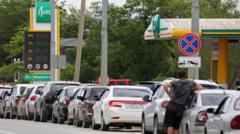
Ukraine Targets Oil Facilities in Occupied Crimea
A significant halt in fuel distribution has been imposed across the Russian-occupied territory of Crimea following intensive military operations in which Ukraine targets oil facilities throughout the region. The suspension represents an escalation in Kyiv's strategy to disrupt energy infrastructure that sustains Russian military operations in contested areas.
The fuel supply crisis emerged after Ukrainian forces systematically attacked critical energy installations and logistical corridors supplying the peninsula. This comprehensive approach to undermining Russian capabilities has created widespread shortages of petroleum products, forcing authorities to implement emergency rationing measures across civilian and military sectors.
Rationing Measures Implemented Due to Supply Disruptions
Fuel rationing had already become necessary in the region due to persistent shortages stemming from Kyiv's coordinated assaults against vital supply routes in Russian-occupied territories. The repeated targeting of transportation networks and storage facilities has severely compromised the region's capacity to maintain adequate petroleum reserves.
Local administrations in Crimea have been forced to restrict fuel distribution to essential services, prioritizing military operations and critical infrastructure over civilian needs. Residents face significant challenges in accessing gasoline and diesel for daily transportation, while industrial operations have experienced considerable disruptions due to energy constraints.
Strategic Implications of Energy Infrastructure Attacks
Ukraine's decision to target oil facilities represents a calculated military strategy aimed at weakening Russia's logistical capacity in occupied regions. By focusing on energy infrastructure, Ukrainian forces seek to limit the operational capabilities of Russian forces while simultaneously creating civilian pressure on the occupation administration.
The attacks on supply routes have proven effective in disrupting the distribution networks that previously sustained stable fuel availability. Each successive operation has reduced storage capacity and refining capabilities, creating cumulative effects that have now resulted in complete sales halts for civilian consumption.
Impact on Regional Infrastructure and Civilian Life
The fuel sales halt in occupied Crimea has triggered cascading consequences throughout the peninsula's economy and society. Transportation services have been severely restricted, affecting commercial operations and daily commutes. Healthcare facilities and emergency services have reported complications in maintaining operations due to fuel scarcity.
Industrial sectors dependent on petroleum products have scaled back activities dramatically. Manufacturing operations, agricultural processing, and construction projects have experienced substantial delays. The broader economic impact extends beyond energy concerns, affecting employment and business continuity across multiple sectors.
Supply Route Attacks and Logistical Breakdown
The targeting of supply routes in Russian-occupied territories has created a fundamental disruption in resource distribution networks. These corridors traditionally connected mainland Russian territory with the Crimean peninsula, facilitating the movement of fuel, ammunition, and essential supplies.
Ukrainian military operations have systematically degraded this infrastructure, forcing Russian logistics planners to seek alternative routes or significantly reduce transport volumes. The attacks have demonstrated the vulnerability of extended supply lines in contested operational areas, exposing the challenges faced by occupying forces in maintaining adequate resource distribution.
Broader Context of Ongoing Conflict
This escalation reflects the broader pattern of intense military operations characterized by both sides targeting strategic infrastructure. Ukraine's focus on energy facilities serving occupied territories represents a continuation of efforts to impose costs on the occupation and limit Russian military capacity in the region.
The situation underscores the interconnection between military strategy and civilian welfare in conflict zones. As Ukraine targets oil facilities and supply infrastructure, the consequences ripple through civilian populations already struggling with shortages and displacement. The fuel sales halt demonstrates how military operations directly impact daily life in contested territories.
The suspension of fuel sales in Crimea signals a significant development in the conflict's energy dimension, with long-term implications for the sustainability of Russian operations in the region and the quality of life for civilian populations under occupation.


