UK Public Shows Measured Response to Be Ready Emergency Campaign
Government's Be Ready emergency planning campaign drives steady sales of essentials without panic. Prepping experts confirm public is responding calmly and rati...
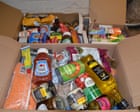
Calm Public Reception to Government Emergency Preparedness Initiative
The Be Ready campaign launched by the UK government has generated increased interest in emergency preparedness without triggering widespread panic or excessive stockpiling, according to retail analysts and prepping specialists monitoring public behaviour. This measured response to the Be Ready campaign represents a significant shift in how citizens engage with official government guidance on protecting themselves during potential crises.
Shop owners specialising in emergency supplies report a noticeable uptick in purchases of essential items, yet customers are approaching their acquisitions methodically rather than frantically. The distinction between healthy preparedness and panic buying has become increasingly apparent as the campaign circulates throughout communities across the nation.
Historical Context: From Scepticism to Acceptance
The contemporary Be Ready campaign contrasts sharply with earlier government emergency initiatives. When the UK government introduced its "Protect and Survive" public information campaign in 1980, designed to educate citizens on surviving nuclear attacks, the response proved far more divisive and polarised.
The 1980 campaign offered specific instructions including construction techniques for creating a "fallout room" within residential properties, recommendations for whitewashing windows as protective barriers against blast waves, and guidance on preserving deceased family members for up to five days. These recommendations, while scientifically grounded in civil defence principles of the era, provoked considerable scepticism among the general public, alongside widespread disbelief and public derision.
The stark difference between public reception then and now suggests evolving attitudes toward official preparedness messaging. Citizens appear more receptive to evidence-based guidance when presented with contemporary context and accessible implementation strategies.
Responsible Emergency Planning Without Panic
Current observers note that the Be Ready campaign has struck an effective balance between encouraging genuine preparedness and avoiding fearmongering tactics that could trigger irrational behaviour. Retailers report customers purchasing items with clear intention to create household emergency kits, rather than accumulating excessive quantities driven by anxiety.
This responsible approach to emergency planning reflects maturation in how government communicates risk to populations. Rather than presenting worst-case scenarios with graphic detail, modern emergency preparedness campaigns emphasise practical, achievable steps individuals can implement to protect their families and communities.
Experts in emergency management attribute this positive reception to transparent communication strategies that acknowledge genuine risks without sensationalising potential outcomes. The Be Ready campaign appears to have successfully framed emergency preparedness as sensible household planning rather than apocalyptic preparation.
Retail Sector Observations and Consumer Behaviour Patterns
Prepping shop owners across the United Kingdom have provided consistent feedback regarding customer interactions during the Be Ready campaign rollout. Rather than observing frenzied purchasing behaviours associated with panic stockpiling, retailers describe customers who ask informed questions, compare product options, and select items based on specific household needs.
Sales increases are attributable to expanded customer awareness rather than fear-driven bulk buying. This distinction holds significant importance for supply chain stability and ensures that emergency supplies remain available for households genuinely seeking preparedness rather than becoming depleted through irrational hoarding behaviour.
The Role of Realistic Messaging in Public Trust
The Be Ready campaign's effectiveness stems partly from its realistic tone and achievable recommendations. Officials acknowledge that genuine emergencies can occur, presenting straightforward guidance on preparation without exaggeration or sensationalism.
This approach fosters public confidence in government messaging. When authorities provide honest assessments of potential risks and practical mitigation strategies, citizens respond with rational planning rather than fear-based reactions. The Be Ready campaign demonstrates how transparent, realistic emergency communication can actually enhance rather than undermine public calm and social stability.
Sustainability of Preparedness Behaviours
Long-term impacts of the Be Ready campaign remain to be fully assessed, yet initial indicators suggest the campaign has successfully inculcated lasting preparedness habits rather than generating temporary, panic-driven responses. Customers appear committed to maintaining emergency supplies and reviewing household readiness plans on an ongoing basis.
This shift toward sustained, routine preparedness represents meaningful progress in national resilience-building. As citizens integrate emergency planning into regular household management practices, communities develop greater capacity to respond effectively to genuine crises without disruption to social order or essential supply chains.