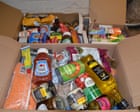
UK Citizens Stockpiling Essentials Following Government Emergency Preparedness Guidance
British residents stockpile food, water, and power banks following government campaign recommending three days of emergency supplies amid security concerns.

Government Campaign Encourages Emergency Preparedness
The UK government has launched an official campaign advising citizens to stockpile emergency supplies as part of a comprehensive preparedness strategy. This initiative recommends that households maintain approximately three days' worth of essential items to handle various potential emergencies and crises. The stockpile emergency supplies UK guidance has prompted many residents to take action, gathering items ranging from tinned foods to bottled water and backup power sources.
The campaign comes amid growing concerns about various threats to national stability and public services. Officials have emphasized the importance of personal preparedness in facing potential disruptions to daily life, whether caused by natural disasters, infrastructure failures, or other unforeseen circumstances. This emergency preparedness government campaign represents a significant shift in how authorities are communicating risks to the general population.
What Residents Are Stockpiling
Many UK households have responded enthusiastically to the government's guidance, accumulating diverse emergency supplies. The most common items being purchased include tinned foods with long shelf lives, bottled water for drinking and sanitation purposes, essential medicines, and modern portable power banks. These British residents stockpiling essentials have also reported purchasing matches, candles, first aid kits, and other survival equipment that might prove invaluable during extended service disruptions.
The variety of items being stored reflects the broad range of potential emergencies that citizens wish to prepare for. Dried pasta, rice, biscuits, and other non-perishable foods dominate shopping lists across the country. Additionally, households are prioritizing items like toilet paper, hygiene products, and battery-powered radios. This three days emergency stores approach provides a practical framework for families to organize their preparedness efforts without creating panic or excessive hoarding.
Official Recommendations and Guidelines
The government's three-day stockpile recommendation serves as a baseline for emergency preparedness. According to official guidance, three days represents a reasonable timeframe during which most infrastructure and supply chains could potentially be restored following a crisis. However, authorities acknowledge that individual circumstances vary, and some households may need to maintain larger reserves due to medical requirements or other specific needs.
The disaster preparedness UK initiative specifically suggests maintaining adequate supplies of water, with experts recommending at least one litre per person daily. Food selections should focus on items requiring minimal preparation, as power or gas supplies might be unavailable. Medications, including prescription drugs and over-the-counter pain relievers, should be kept in accessible locations with proper storage conditions maintained.
Security Concerns Driving Preparedness
Recent statements from government officials regarding potential threats have accelerated public interest in emergency preparedness. Authorities have referenced concerns about infrastructure vulnerabilities and the need for resilience in facing potential disruptions. These warnings have resonated with UK citizens who are taking proactive steps to ensure their families can manage during extended periods without access to normal services.
The combination of geopolitical tensions and climate-related concerns has created a broader awareness of potential risks. Residents understand that various scenarios—from severe weather to service failures—could necessitate self-sufficiency for several days. This recognition has motivated comprehensive household assessments and systematic stockpiling efforts across different regions.
Practical Implementation and Storage
Households implementing the government's recommendations are approaching stockpiling with careful planning and organization. Many residents are rotating their supplies to ensure freshness, checking expiration dates regularly, and storing items in cool, dry locations. Basements, cupboards, and garage spaces have become dedicated storage areas for emergency supplies.
Effective stockpiling requires thoughtful organization to maximize space and maintain accessibility. Families are creating inventory lists, labeling containers with purchase and expiration dates, and ensuring that all household members know where supplies are located. This systematic approach prevents waste while guaranteeing that emergency items remain ready for immediate use when needed.
Broader Implications for Public Safety
The government's campaign represents a significant acknowledgment that personal preparedness complements public services and infrastructure protection efforts. By encouraging households to maintain adequate supplies, authorities are building distributed resilience throughout the population. This approach reduces potential strain on emergency services and public supply chains during actual crises.
The stockpile emergency supplies UK initiative has gained considerable media attention and public support. Citizens appreciate having clear, official guidance that reduces uncertainty about appropriate preparedness measures. As more households implement these recommendations, the overall resilience of communities increases substantially.
Response and Future Outlook
Public response to the emergency preparedness government campaign has been overwhelmingly positive, with retailers reporting increased sales of long-shelf-life food products and survival equipment. Rather than creating panic, the official guidance has provided reassurance and practical direction for concerned citizens. Looking forward, government officials indicate that additional resources and detailed guidance may be released to support ongoing preparedness efforts.
The British residents stockpiling essentials movement demonstrates public willingness to take responsibility for personal and family safety. As this trend continues, communities will develop greater overall resilience and reduced dependency on immediate government intervention during emergencies. The three days emergency stores concept provides an achievable, non-alarmist framework for practical household preparedness that benefits both individuals and society as a whole.