Trump's New Tariffs Labeled 'Miscalculation' as Trade Talks Fail
Canada's PM Carney calls Trump's fresh tariffs a miscalculation, announces retaliatory measures after trade negotiations collapse.
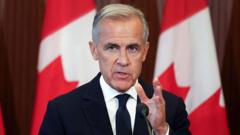
Trump's Fresh Tariffs Spark Diplomatic Tension
In a significant development regarding Trump's tariffs strategy, Canada's Prime Minister has characterized the administration's latest trade measures as a strategic miscalculation that threatens regional economic stability. The pronouncement comes as negotiations between the two nations have reached an impasse, forcing Ottawa to prepare defensive commercial responses.
Trump's tariffs implementation has escalated tensions considerably, with the Canadian government expressing frustration over what it views as unilateral protectionist policies. The prime minister's stark assessment reflects growing concern about the broader implications of escalating trade barriers between neighboring economies deeply integrated through supply chains and bilateral commerce.
Canada Prepares Retaliatory Response
Facing what it considers an aggressive trade posture, Canada's administration announced it would be pursuing countervailing measures against American goods. The decision was characterized as reluctant but necessary, underscoring the government's conviction that diplomatic channels had been exhausted and reciprocal action had become unavoidable.
The retaliatory tariffs represent a direct response to what Canadian officials describe as American-initiated trade aggression. Rather than capitulating to external pressure, the nation's leadership determined that implementing symmetric commercial penalties would demonstrate resolve while protecting domestic industries and workers from unfair competitive disadvantages.
Breakdown of Bilateral Trade Negotiations
The collapse of ongoing trade discussions between Washington and Ottawa marks a critical juncture in North American commercial relations. What began as negotiation rounds aimed at resolving disputes has devolved into tit-for-tat tariff implementations, threatening the broader framework of integrated trade that has benefited both economies for decades.
Sources close to the negotiations indicate that fundamental disagreements over core trade principles prevented parties from reaching consensus. The inability to bridge these gaps has left both sides pursuing defensive economic strategies rather than collaborative solutions that might have preserved existing commercial relationships.
Economic Impact and Industry Concerns
The escalating trade tensions triggered by Trump's tariffs have prompted widespread apprehension across multiple industrial sectors in both nations. Manufacturers, agricultural producers, and technology companies express serious concerns about potential supply chain disruptions and increased production costs that could ultimately affect consumer prices and employment levels.
Industries particularly vulnerable to tariff escalation include automotive manufacturing, agricultural exports, and natural resource extraction—sectors vital to Canadian economic output and employment. Businesses warn that prolonged commercial uncertainty could prompt capital flight and investment diversion to more stable jurisdictions.
Political Ramifications and Public Response
The prime minister's declaration that he was reluctantly announcing retaliatory measures reflects the political difficulty of choosing confrontation over cooperation. Public statements emphasize that Canada preferred negotiated solutions but felt compelled to defend national economic interests when diplomatic overtures failed.
Political observers note that the government's response demonstrates a commitment to standing firm against what it perceives as unfair trade practices. The announcement addresses both domestic audiences concerned about economic protection and international partners questioning Canada's resolve in defending its commercial interests.
Long-term Implications for North American Trade
The deterioration of trade relations raises fundamental questions about the future of North American commercial integration. Analysts warn that sustained tariff escalation could undermine the competitive advantages that free trade has provided, potentially triggering broader economic dislocation across the continent.
Beyond immediate economic consequences, the conflict signals a shift in how neighboring nations approach trade policy. Rather than collaborative frameworks emphasizing mutual benefit, the current trajectory suggests a return to zero-sum competitive dynamics that characterized commercial relations before contemporary integration agreements.
Looking Forward
Moving forward, observers on both sides of the border recognize that some form of diplomatic resolution will ultimately become necessary. However, the current trajectory suggests that additional escalation may occur before negotiators reconvene with renewed willingness to compromise.
The situation underscores broader trade policy tensions emerging globally as nations reassess their commercial strategies. Canada's response to Trump's tariffs represents one chapter in an increasingly complex international trade environment where traditional agreements face unprecedented pressures and established relationships require renegotiation.


