The little corner of Wales transformed since becoming a world heritage site
The slate landscape of northwest Wales, which includes Blaenau Ffestiniog, Bethesda and the Ogwen Valley, was granted UNESCO status in 2021
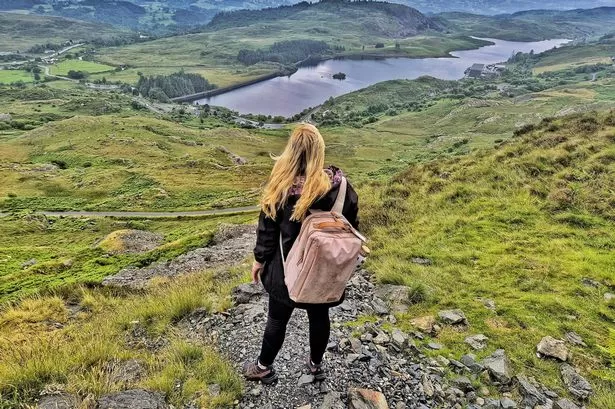
The picturesque landscape of northwest Wales has long been a source of pride for locals and a magnet for tourists. And now, it has received a prestigious recognition from UNESCO – the United Nations Educational, Scientific and Cultural Organization. The slate landscape of northwest Wales, which includes Blaenau Ffestiniog, Bethesda and the Ogwen Valley, has been granted UNESCO status in 2021, solidifying its place as a cultural and historical treasure.
The slate landscape is a defining feature of northwest Wales, with its rugged mountains, deep valleys and slate quarries. The area has been shaped by centuries of slate mining, which has not only left behind a unique landscape but also a rich cultural heritage. The slate industry played a crucial role in the development of the region, and its impact can still be seen today in the architecture, traditions and way of life of the local communities.
Blaenau Ffestiniog, known as the "slate capital of the world," was once the largest producer of slate in the world. Its vast slate quarries, which were in operation for over 150 years, have now been transformed into a fascinating tourist attraction. Visitors can take a tour of the underground mine and learn about the grueling work of the miners, or take a ride on the Ffestiniog Railway – the world's oldest narrow-gauge railway – which was used to transport slate from the quarries to the coast.
Bethesda, located in the shadow of the imposing Carneddau Mountains, is another town that owes its existence to the slate industry. The town is home to the Penrhyn Quarry, which was once the largest slate quarry in the world and employed thousands of workers. Today, the quarry is no longer in operation, but its legacy lives on through the Penrhyn Castle – a grand mansion built by the wealthy slate baron, Lord Penrhyn. The castle is now open to the public and offers a glimpse into the opulent lifestyle of the Penrhyn family.
The Ogwen Valley, nestled between the Glyderau and Carneddau mountain ranges, is a stunningly beautiful area that has been shaped by the slate industry. The valley is dotted with abandoned slate quarries and mining villages, which add to its rugged charm. The Llyn Ogwen lake, with its crystal clear waters, is a popular spot for outdoor activities such as hiking, fishing and kayaking. Visitors can also explore the nearby Ogwen Falls, a series of cascading waterfalls that are a sight to behold.
The UNESCO status of the slate landscape of northwest Wales is a testament to its outstanding universal value. It is a recognition of the area's unique geological, industrial and cultural heritage, which has been preserved and passed down through generations. The designation will not only raise awareness about the importance of the slate landscape but also bring in more tourists, boosting the local economy and creating job opportunities for the residents.
Moreover, the UNESCO status will also ensure the protection and conservation of the slate landscape for future generations. The local authorities and communities are committed to preserving the area's natural and cultural assets, and the UNESCO status will provide them with the necessary support and resources to do so. It will also encourage sustainable tourism practices and promote the involvement of the local communities in the management and development of the area.
In conclusion, the slate landscape of northwest Wales is a treasure trove of natural beauty, cultural heritage and industrial history. Its UNESCO status is a well-deserved recognition of its significance and will undoubtedly bring more attention and appreciation to this hidden gem of Wales. So, whether you're a history buff, nature lover or simply looking for a unique travel experience, a visit to the slate landscape of northwest Wales is a must. You won't be disappointed.