Strait of Hormuz Talks Show Progress as Iran Issues Deal Warning
Iran and Oman report positive developments in strait negotiations. Both sides discuss new shipping routes through Hormuz amid ongoing diplomatic tensions and un...
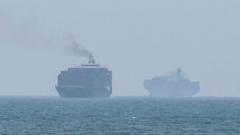
Strait of Hormuz Talks Show Positive Signs Amid Diplomatic Negotiations
Recent developments in Strait of Hormuz talks have indicated cautious optimism between participating nations, though officials acknowledge that achieving a comprehensive breakthrough remains uncertain. Oman, serving as a mediator in these sensitive negotiations, has emphasized the constructive nature of recent discussions while Iran has simultaneously issued warnings regarding the potential scope and implications of any eventual agreement.
Progress in Shipping Route Discussions
Both regional parties have suggested meaningful advancement in deliberations focused on establishing alternative shipping routes through the contested waterway. These Strait of Hormuz talks have centered on creating new maritime corridors that could potentially ease tensions and improve commercial navigation through one of the world's most critical chokepoints for international trade. Officials from both sides reported that technical and procedural discussions have progressed beyond preliminary stages.
The proposed shipping routes would address longstanding concerns about maritime safety and freedom of navigation. According to statements from negotiating teams, the framework for these new passages has been outlined, though specific operational details require further refinement and mutual agreement.
Iran's Cautionary Stance on Deal Arrangements
Iran has taken a notably reserved position, issuing explicit warnings that any eventual accord would not automatically guarantee full opening of the strait under terms favorable to all international stakeholders. Iranian officials have emphasized that national interests and security concerns would remain paramount in determining the final agreement's parameters. These statements suggest Iran's intention to maintain significant influence over maritime passage conditions and commercial arrangements.
The Iranian perspective reflects broader geopolitical considerations beyond simple commercial shipping. Officials have indicated that strategic positioning and security protocols would constitute essential components of any negotiated settlement, rather than merely facilitating unrestricted transit through the waterway.
Oman's Mediation Role and Strategic Importance
Oman has positioned itself as a credible intermediary in these Strait of Hormuz talks, leveraging its historical relationships and neutral diplomatic stance. The sultanate's willingness to host negotiations and facilitate dialogue between parties has proven instrumental in maintaining communication channels and identifying potential areas of agreement. Omani officials have expressed confidence that despite challenges, the ongoing process demonstrates genuine commitment from involved parties toward resolution.
The strategic location and diplomatic credibility of Oman make it an invaluable participant in these negotiations. As a nation with significant maritime interests and established relationships across the region, Oman brings both practical expertise and political legitimacy to discussions about shipping routes and maritime governance.
Uncertainties Surrounding Final Agreement
While diplomatic circles acknowledge progress in Strait of Hormuz talks, substantial obstacles remain before any final agreement could be formalized. The complexity of coordinating security measures, commercial interests, and geopolitical concerns has proven more challenging than preliminary optimistic assessments initially suggested. Multiple stakeholders beyond the immediate negotiating parties hold vested interests in the ultimate outcome.
International shipping companies, regional allies, and global powers all maintain significant stakes in how these talks ultimately conclude. The unpredictability of geopolitical circumstances means that even advanced discussions could encounter unexpected complications or reversal depending on evolving regional situations.
Broader Context for Maritime Security and Commerce
The Strait of Hormuz remains one of the world's most economically vital maritime passages, with approximately one-third of global seaborne traded oil passing through its waters annually. Any agreement affecting shipping routes through this waterway carries implications extending far beyond bilateral Iranian-Omani relations, influencing energy markets and international trade patterns worldwide.
Recent international attention on maritime security and freedom of navigation has elevated the importance of these Strait of Hormuz talks on the global agenda. Economic stakeholders worldwide are monitoring developments closely, recognizing that arrangements affecting this critical chokepoint impact energy security and commercial stability across multiple continents and industries.
Next Steps and Diplomatic Outlook
Officials from both sides have committed to continuing discussions, though no definitive timeline for reaching a comprehensive agreement has been publicly announced. The measured optimism expressed by Oman regarding progress in these talks suggests ongoing diplomatic engagement will persist, even as uncertainties about final outcomes remain pronounced. Future rounds of negotiations are anticipated to focus on technical specifications and security protocols governing new shipping routes.
The trajectory of Strait of Hormuz talks will likely depend on parallel developments in broader regional diplomacy and international relations. Success in these maritime negotiations could potentially strengthen wider efforts toward regional stabilization and economic cooperation, while setbacks might complicate diplomatic relationships beyond shipping matters specifically.


