Russian Black Sea grain hubs face new strikes in escalating port warfare
Russian grain export terminals suffer fresh attacks at Black Sea ports amid intensifying conflict. Ukraine targets key shipping facilities as trade disruptions...
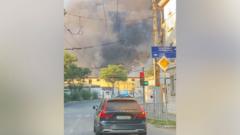
Escalating Tensions Over Black Sea Grain Infrastructure
The critical grain trade infrastructure situated along the Black Sea has become a central battleground as both Russia and Ukraine intensify their targeting of opposing maritime facilities. Recent strikes have severely impacted Russian grain terminals and export capabilities, marking a significant escalation in the ongoing regional conflict. The attacks on Black Sea grain terminals represent a strategic shift in how both nations conduct their military operations beyond traditional battlefield engagements.
Impact on Global Grain Supply Chains
The disruption to grain exports from both Russia and Ukraine has created substantial consequences for international markets and food security worldwide. As military operations continue to target shipping facilities and port infrastructure, the flow of cereals, wheat, and other agricultural commodities has been significantly constrained. This situation directly affects grain exports from the region, which together represent a substantial percentage of global grain supplies. The uncertainty surrounding maritime routes and port accessibility has prompted many traders and shipping companies to reassess their operational strategies.
Regional Trade Disruptions
Port facilities that traditionally handled millions of tonnes of grain annually now face operational challenges due to ongoing military actions. The targeting of export terminals has forced shipping companies to seek alternative routes, increasing transportation costs and delivery timelines. This disruption extends beyond immediate commercial concerns, as it influences food prices globally and raises concerns about supply chain resilience in vulnerable nations that depend on these Black Sea grain terminals for essential food imports.
Military Strategy and Port Warfare
Both nations have demonstrated their commitment to undermining each other's economic capabilities by focusing on maritime infrastructure. Ukraine has implemented deliberate strategies to target Russian grain terminals and export facilities, viewing them as legitimate economic and strategic targets. Conversely, Russia has maintained its own defensive and offensive operations against Ukrainian port infrastructure. This pattern of tit-for-tat attacks on shipping facilities represents a calculated approach to inflicting economic damage while disrupting critical trade routes.
Consequences for Agricultural Exporters
The agricultural sector in both countries faces unprecedented challenges as uncertainty pervades the grain exports market. Farmers, grain traders, and logistics companies must navigate a complex environment where infrastructure destruction and shipping lane safety remain constant concerns. Investment in port rehabilitation and infrastructure protection has become essential for maintaining any semblance of export capability. The long-term implications of ongoing attacks on grain terminals could reshape regional trade patterns for years to come.
Global Food Security Implications
Nations worldwide depend on consistent supplies from Black Sea grain terminals to meet domestic food requirements and support their populations. The ongoing military conflict and resulting infrastructure damage have prompted international organizations to issue warnings about potential food shortages and price volatility. Countries that lack alternative suppliers face particular vulnerability to continued disruptions in grain shipments from the Black Sea region. The humanitarian dimension of this conflict extends far beyond the immediate combat zone, affecting vulnerable populations globally who depend on affordable grain supplies.
Future Outlook for Maritime Trade
The Black Sea grain terminals will likely remain contested areas as military operations continue. Stakeholders in the agricultural trade must prepare for prolonged disruptions and develop contingency plans for alternative supply routes. The resilience of global food systems will increasingly depend on diversifying grain sources and developing more robust supply chain mechanisms. Until military operations cease or establish stable operational patterns, the grain export sector will continue experiencing volatility and uncertainty in this critical maritime region.


