Romania Closes Nuclear Plant Over Danube River Water Crisis
Romania shuts its only nuclear plant due to extreme heat reducing Danube River levels. The facility supplies 20% of the nation's electricity and won't restart f...
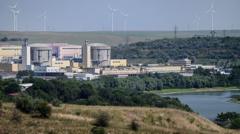
Romania's Nuclear Facility Forced Offline
Romania nuclear plant operations have come to an abrupt halt as unprecedented environmental conditions threaten the nation's energy infrastructure. The Cernavodă facility, representing the country's sole nuclear power station, has been forced into an extended shutdown due to critical water supply challenges affecting its cooling systems.
Severe heat waves sweeping across Eastern Europe have triggered a dramatic decline in Danube River water levels, creating operational difficulties for thermal and nuclear power generation facilities dependent on river water for cooling purposes. The Romania nuclear plant cannot function safely under these hydrological constraints, forcing authorities to take decisive action.
Impact on National Energy Production
The shutdown carries significant implications for Romania's electrical grid stability. The Cernavodă installation typically generates approximately 20% of the nation's total electricity supply, representing a substantial portion of the country's renewable and low-carbon energy output. This disruption forces the nation to rely more heavily on alternative energy sources during peak demand periods.
Energy officials indicate that restoration of normal operations remains uncertain, with preliminary assessments suggesting the facility will not resume power generation within the immediate 10-day window. This extended timeline reflects the severity of current water shortage conditions affecting the Danube River basin region.
Climate-Driven Infrastructure Challenges
The situation underscores growing vulnerabilities in European energy systems confronted with increasingly extreme weather patterns. Heat-induced drought conditions have become recurring obstacles for nuclear operators throughout the continent, requiring careful management of cooling water availability.
The Romania nuclear plant closure demonstrates how climatic pressures directly impact energy security planning. Water scarcity threatens not only electricity generation but also transmission reliability across interconnected grids serving multiple nations dependent on Danube-based power facilities.
Regional Danube River Crisis
The Danube River, one of Europe's vital waterways, has experienced historically low water levels during the current drought period. This environmental stress affects navigation, irrigation, and industrial operations across multiple countries sharing the river system.
The Romania nuclear plant decision reflects broader regional responses to water availability challenges. Similar facilities across the Danube basin face comparable operational pressures, suggesting this represents a wider continental energy management problem rather than an isolated national incident.
Recovery Timeline and Outlook
Authorities continue monitoring atmospheric conditions and precipitation forecasts to determine when adequate water levels will return. The Romania nuclear plant cannot safely resume operations until cooling water supply normalization occurs, protecting both equipment and public safety.
The extended outage presents challenges for national energy planners attempting to maintain stable electricity supplies while managing renewable energy intermittency and conventional generation constraints simultaneously.


