Remote Surgery: Surgeons Control Humanoid Robots Live
Surgeons demonstrate groundbreaking remote surgery by controlling two humanoid robots in an operating theatre. Discover how this technology transforms surgical...
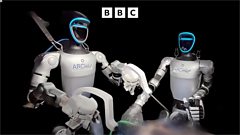
Revolutionary Remote Surgery Technology Reshapes Modern Medicine
A groundbreaking demonstration of remote surgery has captured the attention of the medical community as highly skilled surgeons successfully operated two humanoid robots in a live operating theatre environment. This remarkable achievement represents a significant milestone in the convergence of robotics, telecommunications, and surgical innovation, opening unprecedented possibilities for patient care delivery across geographical boundaries.
Understanding the Remote Surgery System
The innovative remote surgery setup enables surgeons to maintain complete control over sophisticated humanoid robots positioned in the surgical theater. Each robot possesses advanced manipulative capabilities and sensory feedback systems that allow operators to perform intricate surgical maneuvers with precision comparable to traditional hands-on procedures. The system incorporates real-time video transmission, haptic feedback mechanisms, and sophisticated motion-tracking technology that creates a seamless connection between the operator and the robotic surgical instruments.
Technical Components Behind the Innovation
Haptic Feedback and Sensory Integration
The remote surgery demonstration showcases cutting-edge haptic feedback technology that allows surgeons to sense resistance, pressure, and tissue response through the robotic interface. This sensory integration proves critical for maintaining surgical precision during complex procedures. By transmitting tactile information back to the surgeon's hands in real-time, the system eliminates the traditional disconnect between remote operation and direct manual control, thereby reducing potential complications and enhancing overall surgical accuracy.
Real-Time Communication Infrastructure
Maintaining reliable high-speed data transmission forms the backbone of successful remote surgery operations. The technology relies on redundant communication networks, including fiber optic connections and satellite backup systems, ensuring that no signal delay compromises surgical procedures. This robust infrastructure prevents latency issues that could otherwise jeopardize patient safety during critical operative moments.
Clinical Applications and Future Potential
Remote surgery technology promises to revolutionize healthcare accessibility, particularly for populations in underserved regions lacking specialized surgical expertise. Renowned surgeons could potentially oversee multiple procedures simultaneously from specialized centers, democratizing access to world-class surgical intervention regardless of geographical location. The humanoid robots can be positioned in remote hospitals, disaster zones, or military field stations, extending expert surgical capability wherever needed.
Medical and Practical Advantages
The implementation of remote surgery through humanoid robots addresses several persistent challenges in modern surgical practice. Surgeons experience reduced physical fatigue during prolonged procedures, potentially improving focus and decision-making capacity. The robotic systems eliminate hand tremors and provide enhanced visualization through integrated camera systems with magnification capabilities. Additionally, remote surgery reduces infection transmission risks by minimizing direct contact between surgical teams and sterile operating environments.
Challenges and Safety Considerations
Despite remarkable progress, remote surgery technology must overcome significant hurdles before widespread clinical adoption. Network reliability remains paramount, as any communication interruption could compromise patient safety during critical surgical moments. Regulatory frameworks governing remote surgical procedures continue evolving, requiring clear guidelines for surgeon licensing, patient consent protocols, and liability attribution. Training requirements for surgeons operating humanoid robots demand specialized education extending beyond traditional surgical curricula.
International Medical Community Response
The successful demonstration of remote surgery controlling humanoid robots has generated substantial interest among leading medical institutions worldwide. Hospitals and surgical centers are evaluating integration possibilities, assessing infrastructure requirements, and analyzing cost-benefit ratios for implementation. Professional medical organizations are developing standards and protocols to ensure consistent safety practices across different remote surgical platforms and applications.
Conclusion
The pioneering demonstration of surgeons remotely controlling humanoid robots in an operating theatre marks a transformative moment in surgical technology evolution. As remote surgery capabilities continue advancing, this innovation promises to reshape surgical practice delivery, improve patient accessibility to expert care, and establish new standards for surgical precision and safety. The convergence of robotic technology and surgical expertise represents medicine's exciting future trajectory.


