Nearly 50% of eligible South Africans not registered to vote: HSRC
Nearly half of eligible voters in South Africa remain unregistered ahead of the 2026 local elections
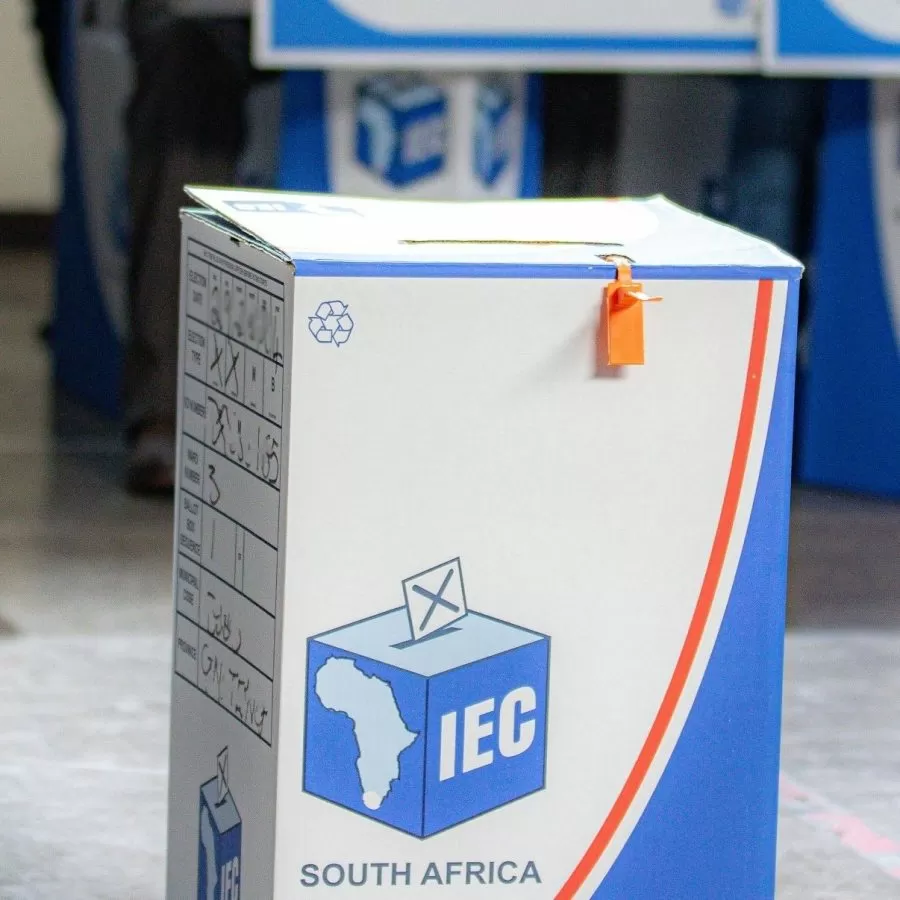
South Africa is a country with a rich history of democracy and inclusivity. Since the end of apartheid in 1994, the country has held several free and fair elections, allowing citizens to exercise their right to vote. However, despite having a democratic system in place, it is concerning to see that nearly half of eligible voters in South Africa remain unregistered ahead of the 2026 local elections.
According to recent data from the Independent Electoral Commission (IEC), there are more than 36 million eligible voters in South Africa, but only approximately 19 million of them are registered. This means that nearly 17 million eligible voters are not registered to vote, which accounts for almost 47% of the total eligible voting population.
This low number of registered voters is not a new phenomenon in South Africa. In fact, it has been a problem for many years, with only a slight improvement in the number of registrations during national elections. However, it is crucial to address this issue before the upcoming local elections in 2026. Local elections are just as important as national ones, as they directly impact the daily lives of citizens and their communities.
So, why do nearly half of eligible voters in South Africa remain unregistered? The reasons are complex and multifaceted. One of the main reasons is the lack of political education and awareness among the population. Many citizens are not aware of the importance of voting and how it can bring about positive change in their communities. This lack of awareness is further compounded by the fact that South Africa has a high illiteracy rate, making it challenging for people to understand the political process and their role in it.
Moreover, there is also a sense of disillusionment and apathy among some citizens towards the political system. Some feel that their vote does not make a difference or that all politicians are corrupt and do not have their best interests at heart. This cynicism towards politics has led many eligible voters to simply not bother registering to vote.
Another significant factor contributing to the low number of registered voters is the logistical and administrative challenges faced by the IEC. The commission has been facing budget cuts and inadequate resources, making it difficult for them to conduct registration drives in remote and disadvantaged areas. This means that many eligible voters, particularly those in rural areas, do not have easy access to voter registration centers.
The consequences of such a large number of unregistered voters are far-reaching. Apart from the obvious lack of representation and participation in the democratic process, it also means that the voices and needs of the marginalized and underprivileged communities are not being heard. Local decisions and policies that affect their wellbeing are being made without their input.
However, there is still hope. The IEC has recently launched a nationwide voter registration drive, urging all eligible voters to register before the deadline. The commission has also taken steps to make the registration process more accessible, with online registration options, extended hours at registration centers, and increasing the number of registration sites in remote areas.
Moreover, civil society organizations and community leaders have also been playing a crucial role in creating awareness and educating citizens about the importance of voting. These efforts have been commendable and have resulted in an increase in registration numbers in some areas.
As citizens, it is our responsibility to ensure that our voices are heard, and the best way to do that is by exercising our right to vote. We cannot afford to have almost half of our eligible voters not registered, especially in a country where democracy and equal representation are still evolving.
The upcoming local elections in 2026 present an opportunity for all eligible voters to make their voices heard and bring about positive change in their communities. It is time for us to come together, register to vote, and take ownership of our democracy.
So, if you are eligible to vote and have not yet registered, I urge you to take action and register before the deadline. Let us all be active participants in shaping the future of our country and making it a better place for all. Let us show the world that South Africa is a nation of active and enthusiastic voters, who are determined to make a difference. Together, we can make a difference, and it all starts with registering to vote.