NATO Secretary General Calls for Increased UK and European Military Strength
NATO leader Mark Rutte warns of the most dangerous security environment in a generation, urging UK and Europe to strengthen military capabilities and defense sp...
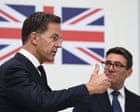
NATO's Call for Strengthened Military Capabilities
The NATO security environment has reached a critical juncture, according to the secretary general of the 32-nation alliance during a significant visit to the United Kingdom. Mark Rutte emphasized that the NATO security environment demands unprecedented levels of commitment from Western nations, particularly from Britain and European member states. The current geopolitical landscape presents challenges unseen in recent decades, requiring a comprehensive reassessment of defense priorities and resource allocation across the alliance.
Mark Rutte's Message on Defence Spending
During his meeting with UK leadership, Mark Rutte stressed the necessity for sustained military investment and political commitment. The NATO secretary general acknowledged Britain's pledge to enhance defense expenditure in accordance with alliance standards, recognizing this as a positive step toward collective security. However, Rutte cautioned that such commitments must extend beyond immediate announcements, requiring long-term financial and military support to adequately address emerging threats.
The secretary general's remarks underscored a fundamental reality: the NATO security environment cannot be effectively managed through short-term measures alone. Instead, member nations must embrace a comprehensive strategy that combines robust military capabilities with sustained diplomatic efforts and strategic planning across multiple years.
European Contribution to Alliance Security
Rutte's visit highlighted the critical importance of European nations strengthening their defense infrastructure and military readiness. Europe's role in addressing the NATO security environment has become increasingly vital, as geopolitical tensions continue to reshape the strategic landscape. The alliance requires not only increased financial contributions but also improved military interoperability and coordinated defense policies among member states.
The NATO secretary general emphasized that Europe cannot rely solely on American military might to ensure collective security. Instead, European nations must demonstrate genuine commitment through substantial defense investments, modernization of military equipment, and development of advanced capabilities that address contemporary security challenges.
UK's Role in Strengthening NATO
Britain's commitment to increasing defense spending represents a significant contribution to the alliance's overall strength. As a permanent NATO member and nuclear power, the UK holds particular importance in the NATO security environment. The UK's pledge aligns with broader alliance objectives and demonstrates leadership in advocating for enhanced military readiness among Western nations.
Mark Rutte acknowledged Britain's strategic importance while simultaneously calling for additional efforts. The NATO secretary general pointed out that the UK's military capabilities and technological expertise make it an essential component of the alliance's response to contemporary security challenges. However, sustaining and expanding these capabilities requires consistent financial commitment and political will.
The Nature of Current Geopolitical Threats
The NATO security environment reflects multiple interconnected threats ranging from regional conflicts to cyber warfare and technological competition. Mark Rutte's characterization of this period as the most dangerous in a generation stems from several converging factors: traditional military threats, hybrid warfare tactics, information warfare, and the rapid evolution of military technology.
These multifaceted challenges require a comprehensive NATO response that goes beyond conventional military deterrence. The alliance must develop sophisticated capabilities across multiple domains, including cyber defense, space operations, and information security. Member nations must enhance their intelligence sharing, coordinate their responses to emerging threats, and maintain technological superiority.
Long-Term Commitment and Future Strategy
Mark Rutte's emphasis on sustained effort reflects a crucial understanding: the NATO security environment will not rapidly improve or stabilize. Instead, member nations must prepare for an extended period of heightened vigilance and military readiness. This requires not only immediate increases in defense spending but also long-term strategic planning and institutional reforms.
The NATO secretary general stressed that member states must move beyond rhetoric and demonstrate concrete commitments through increased defense budgets, enhanced military training, and improved strategic capabilities. The alliance's effectiveness depends on the collective will of its members to prioritize security concerns and allocate necessary resources accordingly.
Conclusion
Mark Rutte's visit to the UK underscored a fundamental reality: the NATO security environment demands unprecedented levels of commitment from Western nations. The secretary general's call for "more UK and more Europe" reflects a recognition that collective security requires meaningful contributions from all member states. As geopolitical tensions continue to shape international relations, the alliance must adapt and strengthen its capabilities to effectively deter threats and protect member nations. The coming years will determine whether NATO members respond adequately to these challenges through sustained military investment and coordinated strategic action.