MPs Warn Against Forcing Assisted Dying Bill
Labour MPs warn against using parliamentary procedures to force the assisted dying bill through Commons if blocked by Lords on serious public issue.
Cross-Party Warning on Assisted Dying Bill Strategy
The assisted dying bill continues to generate significant debate within Parliament, with members from opposing sides now joining forces to caution against aggressive legislative tactics. Both supporters and opponents of the proposed legislation have expressed serious concerns about employing unconventional parliamentary procedures to circumvent potential obstruction from the House of Lords.
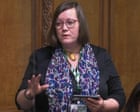
In a critical intervention during the lead-up to Friday's parliamentary vote, two prominent Labour MPs have issued an urgent warning to their colleagues. Gareth Snell, who cast his vote in support of the assisted dying bill, and Meg Hillier, who opposed it, have collaborated on correspondence emphasizing the dangers of pursuing an "extraordinary risk" strategy that could undermine democratic processes.
The Core Message of Parliamentary Restraint
The joint communication from both MPs underscores a fundamental principle: that the House of Lords must be permitted to exercise its constitutional responsibility in thoroughly examining such a consequential piece of legislation. The assisted dying bill represents a matter of profound public importance, requiring robust scrutiny and deliberation rather than expedited passage through procedural shortcuts.
By transcending their policy disagreements, Snell and Hillier have highlighted a shared commitment to parliamentary tradition and democratic integrity. Their collaborative stance demonstrates that concerns about legislative procedures can unite members regardless of their substantive positions on the assisted dying bill itself.
Understanding the Parliamentary Procedure at Issue
The potential recourse being cautioned against involves employing obscure parliamentary mechanisms to override or bypass the Lords' capacity to review and debate the assisted dying bill. These procedural tools exist within parliamentary rules but represent extraordinary measures typically reserved for circumstances of genuine urgency or national interest.
The warning from both sides suggests that deploying such procedures in this context would constitute an excessive and potentially damaging precedent. The assisted dying bill, despite its significance, does not appear to meet the threshold that would justify such exceptional parliamentary maneuvers according to these concerned MPs.
The Stakes of Friday's Vote
The upcoming Friday vote represents a crucial juncture for the assisted dying bill's trajectory through Parliament. The position taken by MPs in this vote will likely determine whether the legislation advances through conventional legislative channels or faces pressure for expedited procedures if the Lords continues to resist its passage.
The intervention by Snell and Hillier comes at a strategically important moment, when their collective voice—representing both perspectives on the assisted dying bill—may influence how their colleagues approach the vote and the broader legislative strategy surrounding this contentious issue.
Importance of Upper House Deliberation
The House of Lords plays a constitutionally significant role in the legislative process, particularly for bills addressing matters of profound social consequence. The assisted dying bill, which touches on fundamental questions about individual autonomy, medical ethics, and state authority, exemplifies the type of legislation that benefits from rigorous Upper House examination.
By urging their respective sides against forcing through the assisted dying bill via procedural shortcuts, both MPs emphasize that the Lords deserves adequate opportunity to fulfill its scrutiny function. This position reflects respect for bicameral governance principles and the democratic value of thorough legislative review.
Broader Implications for Parliamentary Practice
The cautionary stance adopted by these Labour members carries implications extending beyond the immediate assisted dying bill debate. Their warning against using obscure parliamentary procedures establishes or reinforces expectations about the appropriate use of parliamentary tools and the preservation of institutional checks and balances.
If precedent were established for employing extraordinary procedures on legislation of this type, future Parliaments might feel emboldened to similarly bypass traditional scrutiny processes, potentially weakening the legislative oversight mechanisms that protect democratic governance.
Looking Forward
As Parliament approaches the Friday vote on the assisted dying bill, the intervention by Gareth Snell and Meg Hillier serves as a reminder that procedural propriety and institutional respect transcend individual policy positions. Their collaborative warning underscores the importance of maintaining parliamentary traditions while addressing substantive disagreements through legitimate legislative channels rather than procedural expedience.