Magazine Covers Show How Modern Masculinity Evolves
Tom Cruise and Michael B Jordan's magazine covers reveal shifting definitions of manhood in contemporary culture during debates on masculinity.
Magazine Covers and the Evolution of Masculinity
Magazine covers featuring prominent male celebrities often serve as cultural mirrors, reflecting contemporary attitudes toward masculinity and male identity. This week, high-profile appearances by two major Hollywood stars on prestigious magazine covers have sparked important conversations about how modern manhood is portrayed and understood in popular culture. The juxtaposition of these magazine covers masculinity representations comes at a particularly significant moment when discussions about masculinity are increasingly shaping media narratives and public discourse.
Two Icons, Two Different Presentations
Tom Cruise and Michael B Jordan, both renowned Hollywood actors celebrated for their starring roles in blockbuster action films, found themselves simultaneously dominating magazine covers across different publications. These entertainment powerhouses have built their careers on performing physically demanding action sequences and maintaining commanding screen presence across multiple decades and genres.
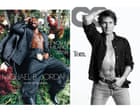
Cruise, now 64 years old, graces the cover of GQ magazine in what marks his first appearance on the publication's cover in two decades. The photograph captures the veteran actor in a deliberately casual yet sensual pose. His unbuttoned shirt reveals his physique while his styled hair and confident demeanor emphasize physical presence and aesthetic appeal. His hand positioning—one moving through his tousled hair while the other grasps his belt buckle—creates an image that intentionally blends accessibility with allure, suggesting a refined interpretation of masculine appeal.
Meanwhile, Michael B Jordan's simultaneous magazine cover appearance presents an alternative perspective on contemporary male celebrity representation. The arrangement of these two cover stories on magazine stands across the nation created an unintended visual conversation about shifting perceptions of what masculinity means in current times.
Cultural Context and Timing
The timing of these magazine covers proves particularly noteworthy given the current cultural landscape. Discussions surrounding masculinity, male identity, and gender roles have become increasingly prominent in media coverage, academic discourse, and public conversation. Issues ranging from toxic masculinity to evolving definitions of male identity have dominated headlines and social media discussions throughout recent years.
These magazine covers arrive during a period when major publications appear to be consciously exploring and redefining how they present male celebrities and masculine ideals to their readerships. The visual choices made by GQ and other publications reflect broader cultural questions about authenticity, vulnerability, strength, and attractiveness in male representation.
What Magazine Presentations Reveal About Contemporary Manhood
The visual language employed in modern magazine covers targeting male celebrities communicates specific messages about acceptable expressions of masculinity. Cruise's presentation—combining physical confidence with styled sophistication—represents one approach to contemporary masculine imagery. The deliberate composition suggests that traditional notions of masculine strength can coexist with grooming, style consciousness, and deliberate aesthetic presentation.
This evolution in magazine cover representation marks a departure from earlier decades when masculine imagery typically emphasized stoicism, restraint, and minimal attention to appearance. Current magazine covers increasingly suggest that male celebrities can embrace personal style, physical presentation, and even sensuality without compromising perceptions of strength or power.
The Broader Conversation About Male Identity
The prominence of these magazine covers in contemporary media discourse reflects deeper cultural conversations about male identity evolving in real-time. Publications like GQ and Vogue function as cultural institutions that both reflect and shape public understanding of acceptable masculine expression and presentation.
When major magazines feature accomplished male actors in carefully composed photographs emphasizing physical appeal and styled appearance, they implicitly communicate messages about modern manhood to millions of readers. These visual representations contribute to broader cultural narratives about what masculinity can encompass, how male celebrities can present themselves, and what audiences expect from male public figures.
Celebrity Influence on Cultural Perceptions
Both Cruise and Jordan hold significant cultural influence extending far beyond their film performances. Their magazine appearances generate substantial media attention and discussion, particularly among audiences who follow celebrity culture closely. The choices these actors make regarding how they present themselves publicly influence perceptions of masculinity among broader populations.
At 64 years old, Cruise's magazine cover assumes particular significance. His continued prominence in entertainment and his willingness to pose in deliberately styled, aesthetically conscious photographs challenge age-related assumptions about masculinity and attractiveness. His presence on magazine covers demonstrates that contemporary cultural conversations about male identity and appeal need not focus exclusively on younger actors.
Conclusion
The appearance of these magazine covers simultaneously reflects and influences ongoing cultural discussions about masculinity in the contemporary world. As major publications continue exploring diverse representations of male identity and appearance, they contribute to evolving understandings of what modern manhood encompasses. These covers suggest that contemporary masculinity can embrace physical confidence, personal style, and intentional presentation without abandoning strength or authority. The conversation initiated by these magazine covers ultimately reveals that cultural definitions of manhood continue evolving, shaped significantly by the images and narratives presented through mainstream media and celebrity culture.