Japan's Competition Watchdog Launches Probe Into Ice Cream Price-Fixing Cartel
Japanese authorities investigate major ice cream manufacturers for alleged price-fixing cartel. Probe intensifies as record summer temperatures boost demand and...
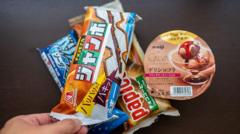
Japan Ice Cream Price-Fixing Cartel Under Official Investigation
Japanese regulatory authorities have launched a comprehensive investigation into what appears to be an ice cream price-fixing cartel involving major manufacturers operating across the nation. The ice cream price-fixing cartel probe represents a significant enforcement action by the country's competition watchdog, which suspects collusive pricing practices among leading industry players designed to artificially maintain high consumer prices.
The timing of this investigation coincides with Japan experiencing unprecedented summer temperatures, creating a surge in ice cream consumption and intensifying scrutiny on pricing practices across the frozen dessert sector. As consumers seek relief from extreme heat, questions about fair pricing practices have moved to the forefront of public concern.
Details of the Competition Investigation
Authorities are examining whether manufacturers engaged in coordinated pricing strategies that violated Japan's antitrust and competition laws. The ice cream price-fixing cartel investigation focuses on documented communications and business conduct between competing firms that may indicate illegal coordination to suppress competition and inflate consumer prices beyond competitive market levels.
The regulatory action reflects growing international attention to cartel behavior in food and beverage industries. Multiple jurisdictions worldwide have pursued similar investigations into pricing practices, with competition authorities increasingly vigilant about collusive arrangements that harm consumers through artificially elevated prices.
Impact of Record Summer Temperatures
Japan's current heat wave has elevated ice cream sales to exceptional levels, making the timing of the price-fixing cartel probe particularly relevant. Record-breaking temperatures have driven unprecedented demand for frozen desserts, placing the pricing practices of major manufacturers under increased public and regulatory scrutiny. Consumer advocates argue that retailers and manufacturers may exploit seasonal demand spikes to maintain inflated profit margins through coordinated pricing.
The convergence of extreme weather conditions and the competition investigation has sparked broader discussions about market practices in essential consumer goods during emergency weather situations. Regulatory authorities are particularly focused on whether manufacturers use seasonal demand fluctuations as cover for implementing cartel pricing arrangements.
Industry Implications and Legal Framework
Japan's competition law enforcement agency possesses substantial authority to investigate and penalize companies found guilty of cartel behavior. Penalties for participating in price-fixing arrangements can include significant financial fines, damage to corporate reputation, and potential criminal prosecution of individual executives involved in conspiracy activities. The ice cream price-fixing cartel case may establish important precedents for future enforcement actions across the food manufacturing sector.
Industry observers note that the investigation may prompt manufacturers to review their internal compliance programs and inter-company communications protocols to ensure adherence to competition laws. Many companies are already implementing enhanced compliance training and documentation procedures to minimize legal risk exposure.
Consumer and Market Implications
For consumers, the outcome of this ice cream price-fixing cartel investigation carries direct implications for future pricing practices and market competition. If manufacturers are found to have engaged in illegal coordination, potential remedies might include price reductions, consumer compensation, or structural changes to competitive dynamics within the industry. The enforcement action signals that Japanese authorities will actively pursue cases involving collusive pricing, regardless of industry sector or company size.
The investigation also highlights the vulnerability of consumers during periods of high seasonal demand, when pricing practices warrant particular scrutiny. As climate change drives more extreme weather events globally, competition authorities across multiple countries are examining whether manufacturers exploit emergency conditions through cartel arrangements.
Looking Forward
The outcome of Japan's ice cream price-fixing cartel investigation will likely influence regulatory approaches in other jurisdictions and establish enforcement priorities for competition authorities domestically. Stakeholders throughout the food manufacturing and retail sectors will monitor this case closely for insights into how authorities evaluate evidence of pricing collusion and determine appropriate penalties. The investigation underscores the ongoing importance of competitive markets in protecting consumer interests, particularly during periods when demand for essential goods surges due to environmental factors.


