Inequality, unemployment, corruption undermines national unity: IFP
IFP Chief Whip Nhlanhla Hadebe says reconciliation can't remain symbolic.
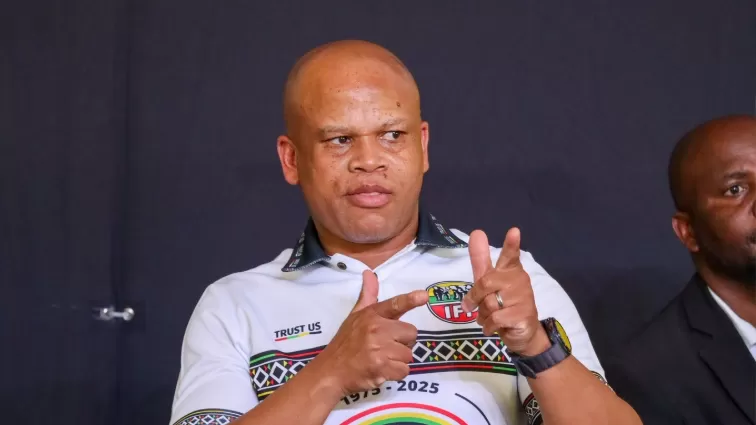
IFP Chief Whip Nhlanhla Hadebe says reconciliation can't remain symbolic
In a recent statement, IFP Chief Whip Nhlanhla Hadebe emphasized the importance of moving beyond symbolic gestures when it comes to reconciliation in South Africa. He believes that true reconciliation can only be achieved through concrete actions and meaningful change.
Hadebe's words come at a time when the country is still grappling with the legacy of apartheid and the deep wounds it has left behind. While the end of apartheid brought about political freedom, it did not automatically erase the years of oppression and inequality that had been ingrained in society.
For many, reconciliation has remained a distant dream, with the wounds of the past still raw and the promise of a better future yet to be fully realized. This is why Hadebe's call for a more proactive approach to reconciliation is so important.
He argues that while symbolic gestures such as public apologies and commemorative events are important, they are not enough to bring about true healing and unity. Instead, he believes that tangible actions are needed to address the systemic issues that continue to divide our society.
One of the key areas that Hadebe highlights is economic transformation. He believes that economic inequality is one of the biggest barriers to reconciliation in South Africa. The vast majority of the country's wealth is still in the hands of a small minority, while the majority of the population continues to struggle with poverty and unemployment.
Hadebe stresses the need for policies and programs that will address this economic imbalance and create opportunities for all South Africans, regardless of their race or background. He believes that economic empowerment is crucial for true reconciliation to take place.
Another important aspect that Hadebe raises is the need for a more inclusive education system. He argues that education is a powerful tool for breaking down barriers and promoting understanding between different groups. However, the current education system is still plagued by inequalities, with many disadvantaged communities lacking access to quality education.
Hadebe calls for a more equitable distribution of resources and a curriculum that reflects the diversity of South Africa's history and cultures. He believes that education should be used as a means to promote reconciliation and understanding, rather than perpetuating divisions.
In addition to these concrete actions, Hadebe also stresses the importance of dialogue and open communication. He believes that honest and respectful conversations between different groups are essential for building bridges and finding common ground.
He also acknowledges that reconciliation is a two-way process and that all South Africans have a role to play in it. This means acknowledging the pain and suffering of others, as well as being willing to listen and learn from different perspectives.
Hadebe's call for a more proactive approach to reconciliation is a timely reminder that the work of building a united and equal society is far from over. While the symbolic gestures of the past have played an important role in acknowledging the injustices of the past, it is now time to move beyond them and focus on tangible actions that will bring about real change.
As South Africans, we must all heed Hadebe's words and take responsibility for creating a more just and inclusive society. We must work together to address the systemic issues that continue to divide us and strive towards a future where reconciliation is not just a symbol, but a reality for all.