Internet Magazine 24/7. Your local newspaper
World

Helicopter Strikes Cargo Ship Engine in Gulf of Oman

US military helicopter fires missiles at Panama-flagged cargo vessel in Gulf of Oman to disable ship allegedly breaking Iran blockade. Details on incident.
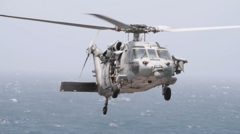
Helicopter Strikes Cargo Ship Engine in Gulf of Oman
Image: bbc.co.uk. For informational use; rights belong to their owner.

Military Action in Strategic Waters

The United States military conducted a significant operation when a helicopter fired missiles at a commercial vessel operating in the Gulf of Oman. According to statements from US Central Command, the aircraft successfully targeted the engine room of a Panama-flagged cargo ship that was allegedly attempting to circumvent international restrictions related to Iran.

This incident involving a helicopter fired missiles at the vessel represents an escalation in enforcement operations within one of the world's most critical maritime corridors. The Gulf of Oman serves as a vital passageway for global commerce, and the action underscores ongoing tensions related to sanctions enforcement in the region.

Details of the Operation

US Central Command confirmed that its military helicopter engaged the Panama-flagged cargo vessel with precision strikes. The primary target was the engine room, a critical component designed to immobilize the ship without causing catastrophic damage. This tactical approach reflects military protocols aimed at disabling vessels while minimizing collateral impact on the broader maritime environment.

The Panama-flagged designation indicates the vessel was registered under Panama's maritime authority, a common practice for international commercial shipping. Such vessels operate globally and fall under various regulatory frameworks depending on their flag state and operational parameters.

Iran Blockade Enforcement

Intelligence assessments suggested the cargo ship was attempting to breach sanctions measures implemented against Iran. These restrictions represent a cornerstone of US foreign policy in the Middle East region. The enforcement operation demonstrates the military's commitment to maintaining the integrity of these sanctions through active maritime surveillance and intervention capabilities.

The decision to use airborne platforms rather than naval vessels highlights the strategic advantages of helicopter operations in rapid response scenarios. Such aircraft provide enhanced mobility and can be deployed quickly to intercept targets of concern across expansive oceanic territories.

Strategic Implications

The incident in the Gulf of Oman reflects broader geopolitical dynamics affecting Middle Eastern security. The region remains a focal point for international military presence, with multiple nations maintaining naval and air assets to protect shipping lanes and enforce policy objectives.

Such enforcement actions carry significant implications for commercial maritime operations. Shipping companies and operators must navigate complex regulatory environments while maintaining awareness of active military operations that could impact their vessels and cargo.

International Maritime Law Considerations

Operations involving military intervention on commercial vessels raise important questions regarding international maritime law and proportionality of response. The targeting of specific ship components rather than the vessel itself suggests adherence to principles designed to minimize unnecessary harm.

The Gulf of Oman continues to witness regular military presence from multiple nations, creating a complex environment for commercial shipping. Understanding the strategic considerations and enforcement mechanisms remains essential for maritime operators conducting business in these waters.

#helicopter fired missiles cargo ship #US Central Command Gulf of Oman #Panama-flagged vessel engine room #Iran blockade #military intervention] #cuerpo':'<h2>Military Action in Strategic Waters</h2><p>The United States military conducted a significant operation when a helicopter fired missiles at a commercial vessel operating in the Gulf of Oman. According to statements from US Central Command, the aircraft successfully targeted the engine room of a Panama-flagged cargo ship that was allegedly attempting to circumvent international restrictions related to Iran.</p><p>This incident involving a helicopter fired missiles at the vessel represents an escalation in enforcement operations within one of the world's most critical maritime corridors. The Gulf of Oman serves as a vital passageway for global commerce, and the action underscores ongoing tensions related to sanctions enforcement in the region.</p><h2>Details of the Operation</h2><p>US Central Command confirmed that its military helicopter engaged the Panama-flagged cargo vessel with precision strikes. The primary target was the engine room, a critical component designed to immobilize the ship without causing catastrophic damage. This tactical approach reflects military protocols aimed at disabling vessels while minimizing collateral impact on the broader maritime environment.</p><p>The Panama-flagged designation indicates the vessel was registered under Panama's maritime authority, a common practice for international commercial shipping. Such vessels operate globally and fall under various regulatory frameworks depending on their flag state and operational parameters.</p><h2>Iran Blockade Enforcement</h2><p>Intelligence assessments suggested the cargo ship was attempting to breach sanctions measures implemented against Iran. These restrictions represent a cornerstone of US foreign policy in the Middle East region. The enforcement operation demonstrates the military's commitment to maintaining the integrity of these sanctions through active maritime surveillance and intervention capabilities.</p><p>The decision to use airborne platforms rather than naval vessels highlights the strategic advantages of helicopter operations in rapid response scenarios. Such aircraft provide enhanced mobility and can be deployed quickly to intercept targets of concern across expansive oceanic territories.</p><h2>Strategic Implications</h2><p>The incident in the Gulf of Oman reflects broader geopolitical dynamics affecting Middle Eastern security. The region remains a focal point for international military presence, with multiple nations maintaining naval and air assets to protect shipping lanes and enforce policy objectives.</p><p>Such enforcement actions carry significant implications for commercial maritime operations. Shipping companies and operators must navigate complex regulatory environments while maintaining awareness of active military operations that could impact their vessels and cargo.</p><h2>International Maritime Law Considerations</h2><p>Operations involving military intervention on commercial vessels raise important questions regarding international maritime law and proportionality of response. The targeting of specific ship components rather than the vessel itself suggests adherence to principles designed to minimize unnecessary harm.</p><p>The Gulf of Oman continues to witness regular military presence from multiple nations, creating a complex environment for commercial shipping. Understanding the strategic considerations and enforcement mechanisms remains essential for maritime operators conducting business in these waters.</p>','}
⏱ 3 min read · 👁 5 reads Share 𝕏 X f Facebook ✈ Telegram in LinkedIn
Also in your area

Cryptocurrencies

Dogecoin (DOGE) $0.0724 ▲ 3.37%
Bitcoin (BTC) $63,799 ▼ 0.32%
Ethereum (ETH) $1,884 ▲ 0.42%