H5 Bird Flu Reaches Australia: What You Need to Know
H5 bird flu has arrived in Australia. Discover what the H5N1 virus means for wildlife, agriculture, and public health in this comprehensive guide.
H5 Bird Flu Australia: A Critical Situation Unfolds
Australia is facing a significant wildlife crisis as H5 bird flu has been confirmed on the mainland for the first time. The discovery of the deadly H5N1 virus in a wild bird has triggered immediate responses from federal authorities and sparked widespread concern about the potential impact on the nation's ecosystems and agricultural industry.
The Discovery and Confirmation
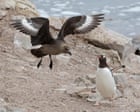
Federal Agriculture Minister Julie Collins announced this weekend that a brown skua discovered in Western Australia had tested positive for the H5N1 virus. The brown skua, a migratory seabird, represents the first confirmed case of H5 bird flu on Australian mainland territory. This finding marks a critical turning point in the nation's biosecurity landscape.
The infected bird had been found in a weakened state before succumbing to the infection. The skua's species designation as a migratory bird raises concerns about potential spread patterns and the virus's capacity to reach other regions through natural bird migration routes.
Understanding the H5N1 Virus
The H5N1 strain is classified as one of the most virulent avian influenza subtypes known to veterinary science. This pathogen has demonstrated the ability to cause severe illness and mortality in infected birds, with mortality rates varying depending on the species affected.
The virus operates by targeting the respiratory and digestive systems of birds, leading to rapid deterioration of health. Infected birds exhibit symptoms including lethargy, loss of appetite, respiratory distress, and neurological complications. The progression from infection to death can occur within days, making early detection challenging.
Geographic Origins and Migration Patterns
Experts believe the H5 bird flu strain likely reached Australian shores through natural migration pathways used by seabirds traveling from Asia and other regions. Migratory bird species, including skuas, albatrosses, and shearwaters, undertake intercontinental journeys that can expose them to various pathogens in different geographic zones.
The brown skua affected in this case is known to migrate across vast oceanic distances, potentially acquiring infection during its travels through regions where H5N1 already circulates in wild bird populations. This natural dispersal mechanism explains why the virus has reached Australia despite the country's geographic isolation.
Human Health Considerations
Public health officials have addressed concerns regarding human transmission risks. Current evidence suggests that H5 bird flu poses minimal direct risk to the general population when standard biosafety protocols are followed.
Human infections with H5N1 require prolonged, close contact with infected birds or their bodily fluids. Individuals working in poultry farming, veterinary services, and wildlife management face elevated exposure risks compared to the broader population. Health authorities recommend that anyone handling potentially infected birds wear appropriate personal protective equipment and follow established decontamination procedures.
Agricultural Sector Implications
The arrival of H5 bird flu in Australia poses substantial challenges for the domestic poultry industry. Commercial chicken and turkey farms operate under strict biosecurity measures designed to prevent avian influenza introduction. However, the detection in wild populations necessitates enhanced monitoring protocols.
Agricultural authorities have activated emergency response procedures including enhanced surveillance of commercial facilities, implementation of restricted movement zones, and increased health monitoring of domesticated birds. Feed suppliers and farm workers have been briefed on elevated vigilance requirements.
Wildlife Population Concerns
Marine and terrestrial bird populations face uncertain futures as H5 bird flu spreads. Species with low genetic diversity or small population sizes may experience significant mortality rates. Seabird colonies, in particular, present concerning scenarios where virus transmission could accelerate through crowded breeding grounds.
Conservation biologists emphasize that H5N1 represents an unprecedented threat to Australian wildlife. Unlike introduced predators or habitat destruction, which can be managed through targeted interventions, viral pathogens spread according to biological mechanisms largely beyond human control.
Government Response and Monitoring
Federal and state authorities have implemented comprehensive surveillance programs to track H5 bird flu spread across the continent. Wildlife rehabilitation centers have been provided with enhanced testing capacity and biosafety protocols.
The Department of Agriculture and Water Resources continues monitoring migratory bird populations and conducting environmental surveillance in high-risk areas. International collaboration with Asian and Pacific region partners provides early warning systems for emerging pathogen threats.
What the Future Holds
Experts anticipate that H5 bird flu will likely become established in Australian wildlife populations. The challenge now involves minimizing impact on vulnerable species while protecting agricultural interests. Vaccination programs for high-value wild bird populations may be considered, though implementation presents logistical complexities.
The situation underscores the interconnected nature of global ecosystems and the importance of robust biosecurity infrastructure. Australia's isolated geography, historically an advantage in disease prevention, provides diminishing protection in an era of extensive international travel and wildlife movement.