England's Drought Crisis: Two-Thirds Region Now Faces Water Shortage
More than two-thirds of England now faces drought conditions. Learn how the water crisis affects major regions including East Midlands, Kent, and Sussex.
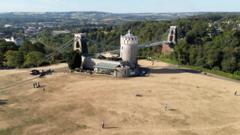
England Drought Crisis Spreads Across Major Regions
An unprecedented England drought crisis has intensified as more than two-thirds of the nation now faces severe water shortage conditions. This escalating environmental challenge represents a critical juncture for water management and resource allocation across the country, affecting millions of residents and businesses throughout multiple regions simultaneously.
The expansion of drought-affected areas signals a deteriorating hydrological situation that demands immediate attention from water authorities and government agencies. As conditions continue to worsen, communities across England must adapt to stricter water conservation measures and prepare for potential long-term impacts on agriculture, industry, and daily life.
Which English Regions Are Now in Drought Status?
Several key regions have officially transitioned into drought classification, marking a significant turning point in the water crisis. The East Midlands represents one of the hardest-hit areas, along with Lincolnshire and Northamptonshire, which together form a critical agricultural and industrial corridor vulnerable to prolonged water deficits.
Southeastern England faces particularly acute challenges, with Kent and East Sussex now formally designated as drought regions. These densely populated areas depend heavily on consistent water supplies, making the drought situation especially consequential for their economies and residents. Additionally, the Solent region and the South Downs have entered drought status, extending the crisis further along the southern coast and into inland areas.
The Broader Impact of the England Drought Crisis
The geographical spread of this England drought crisis encompasses diverse landscapes and populations, from industrial centers to agricultural heartlands. Each affected region faces unique challenges based on local water infrastructure, population density, and economic dependencies.
Agricultural Implications and Economic Consequences
The East Midlands and Lincolnshire regions, traditionally dependent on irrigation for crop production, face severe agricultural stress. The England drought crisis threatens food production schedules and could ripple through supply chains affecting consumers nationwide. Farmers in affected areas must implement emergency water management protocols while dealing with reduced groundwater levels and depleted surface water sources.
The drought status declaration carries significant economic implications beyond agriculture. Water-dependent industries, manufacturing facilities, and tourism sectors throughout the affected regions must adjust operations accordingly. Businesses relying on consistent water supplies face increased operational costs and potential production constraints.
Urban and Residential Water Management Challenges
Densely populated areas including Kent, East Sussex, and surrounding communities face heightened pressure on domestic water supplies. Millions of residents in these regions must adopt stricter conservation practices, with water authorities potentially implementing usage restrictions and promoting awareness campaigns about efficient water consumption.
The England drought crisis requires coordinated responses from multiple stakeholders, including water companies, local councils, environmental agencies, and individual households. Public cooperation with water-saving initiatives becomes essential as systems operate under increased strain.
Water Authority Responses and Future Outlook
Water management authorities across affected regions have begun implementing contingency plans developed for drought scenarios. These measures may include temporary restrictions on non-essential water use, enhanced monitoring of water reserves, and communication strategies to inform residents about conservation expectations.
The England drought crisis demonstrates the vulnerability of water supply systems to prolonged dry periods and climate variability. Planning for future resilience involves infrastructure investment, demand management strategies, and long-term sustainability approaches. Communities throughout the East Midlands, Kent, East Sussex, Solent, and South Downs regions must prepare for potentially extended drought conditions while water authorities work toward solutions.
As more than two-thirds of England experiences drought status, the implications extend far beyond immediate water availability concerns. The situation underscores the critical importance of proactive water resource management, conservation awareness, and collaborative efforts among all stakeholders to navigate this significant environmental challenge.


