Emergency Stockpile Advice Drives UK Bottled Water Sales Spike
UK bottled water sales surge following government emergency preparedness campaign. Retailers report increased demand for tinned food, radios and torches amid ex...
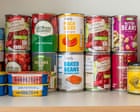
Bottled Water Sales Surge Following Government Emergency Guidance
The United Kingdom has experienced a significant surge in bottled water sales and emergency supplies following official government recommendations for household preparedness. Retailers across the nation report unprecedented demand for essential items as consumers respond to the Be Ready campaign, which encourages families to maintain emergency stockpiles sufficient for 72 hours of essential needs.
The bottled water sales increase reflects growing public concern about potential disruptions to infrastructure and essential services. Alongside water purchases, supermarkets and retail chains have noted dramatic increases in the acquisition of tinned foods, portable power solutions, and emergency lighting equipment designed for use during power outages or other crisis situations.
Retail Response to Emergency Preparedness Campaign
Major retailers have confirmed substantial growth in multiple product categories related to emergency readiness. The Be Ready campaign, officially launched by UK authorities, aims to establish baseline household preparedness standards for various potential scenarios. Wind-up radios, battery-powered torches, and other non-dependent power sources have become among the fastest-moving inventory items in retail locations nationwide.
Store managers report that customers are approaching emergency preparation with deliberate strategy rather than panic. Shopping patterns indicate families are systematically purchasing shelf-stable provisions, water storage solutions, and communication devices that function independently from electrical grid infrastructure. This organized approach suggests consumer awareness of specific vulnerabilities outlined in official government guidance.
Reasons Behind Increased Emergency Supply Demand
Multiple factors have contributed to the rise in bottled water sales and related emergency supplies. The government campaign specifically references concerns about extreme weather events, which have become increasingly frequent and severe. Additionally, authorities have highlighted potential cybersecurity threats targeting critical national infrastructure, including power distribution systems and water treatment facilities.
The 72-hour preparedness threshold has become a focal point for household planning. This timeframe represents the estimated period during which families should maintain self-sufficiency without access to standard retail services or utility infrastructure. Bottled water sales have particularly accelerated, as consumers recognize water as the most critical survival resource and appreciate the non-perishable storage advantages of pre-bottled options.
Product Categories Showing Strong Growth
Analysis of retail sales data reveals distinct patterns across emergency supply categories. Bottled water sales have increased most dramatically, reflecting consumer understanding that water represents an irreplaceable necessity. Multi-pack bottled water purchases dominate the trend, with consumers selecting larger quantities to ensure household coverage during potential supply disruptions.
Tinned and canned food products represent the second major growth category. Long-shelf-life items requiring no refrigeration or cooking facilities are particularly popular. Retailers note strong demand for ready-to-eat meals, protein sources, and nutrient-dense options suitable for emergency consumption. Emergency lighting solutions, including battery-powered torches and wind-up radios, have also experienced significant sales increases.
Consumer Behavior and Preparedness Attitudes
Unlike previous emergency situations that sometimes triggered panic buying, the current retail surge appears driven by deliberate planning rather than fear. Consumers are approaching the Be Ready campaign recommendations as practical guidance for responsible household management. Retailers report customers inquiring about specific products, demonstrating awareness of actual needs versus speculative purchasing.
The campaign's educational component has clearly influenced consumer behavior. Families understand they are preparing for a defined 72-hour scenario, which provides appropriate scope for purchasing decisions. This rational approach has resulted in sustained demand rather than initial spike followed by normalization, suggesting deeper consumer commitment to emergency preparedness.
Supply Chain and Retail Implications
Retailers are adjusting inventory management and supply chain strategies to accommodate increased demand for emergency supplies. Distribution centers have increased orders for bottled water, tinned goods, and emergency equipment to replenish store shelves. This sustained demand has created business opportunities across retail sectors while revealing consumer priorities regarding household security and self-sufficiency.
The surge in bottled water sales and related products demonstrates consumer responsiveness to official guidance and reflects broader awareness of infrastructure vulnerabilities. Retail data will likely influence future policy discussions regarding emergency preparedness communication and household resilience planning throughout the United Kingdom.