Dozens of Nations Aided China in Tariff Evasion Scheme
US report reveals how China exploited lower tariffs through multiple countries to circumvent Trump's trade measures and penalties.
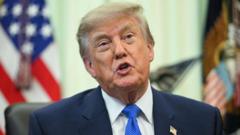
US Reveals China's Cross-Border Tariff Evasion Strategy
The United States has documented evidence that dozens of countries facilitated China's sophisticated tariff evasion operations, according to a comprehensive government report released this week. This revelation demonstrates how Beijing systematically rerouted commercial goods through nations with substantially reduced tariff structures to circumvent the elevated trade barriers imposed under Trump administration policies.
The investigation into tariff evasion uncovered an intricate network of trade partnerships that allowed Chinese manufacturers and exporters to maintain competitive pricing despite punitive US import duties. Rather than directly shipping products to American markets, the scheme involved routing merchandise through intermediary nations that benefit from more favorable trade agreements with the United States.
How the Evasion System Operated
According to the official documentation, Chinese companies collaborated with distributors and trading entities across multiple continents to disguise the true origin of merchandise. This practice, commonly referred to as transshipment, involved minimal processing or packaging adjustments in third-country ports to create the appearance of legitimate local production.
The report identifies specific geographic corridors where this activity concentrated, with particular focus on Southeast Asian nations and other regions that maintain lower tariff classifications. By establishing subsidiary operations and partnerships in these jurisdictions, Chinese enterprises could export goods bearing certificates of origin from countries with preferential trade status with Washington.
Intelligence gathered during the investigation revealed that certain nations either actively participated in the scheme or demonstrated insufficient regulatory oversight to prevent the practice. Some countries allegedly provided documentation certifications despite minimal evidence of substantial transformation or value-added manufacturing activities.
Scope of the Tariff Evasion Operations
The magnitude of this China trade manipulation represents a significant challenge to US enforcement mechanisms. Officials estimate that substantial volumes of merchandise originally produced in China successfully entered American supply chains while avoiding intended tariff assessments. This directly undermined the intended economic impact of Trump administration trade restrictions designed to rebalance bilateral commercial relationships.
The evasion operations affected multiple industrial sectors, including textiles, electronics, chemicals, and manufactured goods. Companies across numerous US industries unknowingly imported products that should have carried higher tariff classifications, creating cost advantages for importers willing to engage with the scheme.
Government Response and Future Actions
US customs authorities and trade officials have initiated enhanced screening protocols to identify suspicious shipment patterns. The government announced plans to engage diplomatically with nations identified as facilitating Trump tariffs circumvention, emphasizing the importance of strengthening verification standards and supply chain transparency requirements.
The report recommends increased cooperation among international customs agencies and implementation of stricter documentation protocols. Additionally, officials indicated potential modifications to trade agreement frameworks to discourage similar evasion tactics and enhance enforcement mechanisms.
Impact on American Businesses and Consumers
This revelation raises important questions about market competition and fair trade practices. Domestic manufacturers who competed against artificially price-advantaged imports argue that the evasion significantly distorted competitive conditions. Meanwhile, businesses that relied on lower-cost imports face uncertainty regarding future product sourcing and pricing strategies.
Consumer electronics, apparel, and home goods represent categories where the impact of reduced tariff assessments proved most pronounced. The discovery has prompted retail associations and manufacturers' groups to demand stronger customs enforcement and more transparent supply chain visibility.
International Trade Compliance Challenges
This incident underscores persistent challenges within the international trade system regarding trade violations detection and prevention. Even with advanced technology and intelligence capabilities, sophisticated schemes can exploit regulatory gaps and inconsistent enforcement across different jurisdictions.
The coordination required to combat such operations extends beyond bilateral US-China relations, requiring multilateral cooperation and commitment from nations serving as transshipment hubs. Without comprehensive international standards for supply chain verification, similar evasion networks could continue operating relatively undetected.
Long-Term Implications for Trade Policy
The discovery likely influences ongoing negotiations and trade policy discussions between the United States and its trading partners. Officials may implement stricter rules of origin requirements and enhanced due diligence procedures for importers claiming preferential tariff treatment.
The government's commitment to addressing customs violations and protecting domestic industries suggests continued scrutiny of suspicious import patterns. Companies importing goods from multiple countries should expect increased documentation requirements and verification procedures designed to confirm genuine country of origin.
This comprehensive investigation reflects the growing sophistication of global trade operations and the corresponding need for equally advanced monitoring and enforcement mechanisms. As international commerce becomes increasingly complex with multiple intermediary steps, maintaining tariff integrity requires ongoing vigilance and international cooperation to ensure fair competition and protect national economic interests.


