Child Fall Safety Measures Missing at London Tower Block
Inquest reveals autistic five-year-old Aalim Ahmed fell from 15th-floor window. Housing authority could have implemented additional safety measures to prevent t...
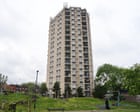
Inquest Reveals Safety Gaps in London Housing Unit
An inquest examining the circumstances surrounding a young child's death has disclosed that child fall safety measures could have been significantly strengthened at the residential property where the tragedy occurred. The investigation focuses on whether additional precautions and protective installations might have prevented the fatal incident from taking place at the tower block in Plaistow, east London.
Aalim Ahmed, a five-year-old boy with autism, died on 16 May 2024 after falling from a kitchen window on the 15th floor of a residential building. His father, Makail Ahmed, discovered his son's body shortly before 6am that morning after hearing the tragic incident unfold. The family had been residing in temporary social housing provided by local authorities at the location where the accident occurred.
Details of the Incident and Family Circumstances
The inquest proceedings have brought to light the circumstances that led to this devastating loss. Aalim's family had previously requested to be relocated from the high-rise flat, expressing concerns about their living situation. Despite these requests, the family remained in the temporary accommodation at the time of the incident. The case highlights the intersection between housing policy, child protection, and building safety standards.
According to evidence presented during the inquest, the residential block did not have adequate window safety mechanisms in place. Window restrictors, locks, or other safety devices that could have prevented a young child from opening windows to dangerous widths were not installed in the property. These child fall safety measures are standard protective features in many modern residential buildings, particularly those housing families with young children.
Expert Analysis on Missing Safety Standards
Experts testifying at the inquest emphasized that contemporary building safety practices include multiple layers of protection for vulnerable occupants. Window safety devices represent one of the most cost-effective and straightforward interventions available to prevent such accidents. These mechanisms can be installed in various configurations, from simple restrictors that limit window opening to comprehensive locking systems.
The inquest has examined what safety standards were in place at the time and whether they met current best practices. Child fall safety measures have become increasingly recognized as essential components of residential building design, particularly in high-rise structures where the consequences of falls are most severe. The testimony has underscored gaps between existing regulations and what many consider appropriate protective standards.
Housing Authority's Response and Investigation Findings
The local authority responsible for the temporary housing has been questioned about what steps could have been taken to make the environment safer for a young autistic child. Autism spectrum disorder requires consideration of specific safety challenges, as children with autism may have different risk profiles and behavioral patterns compared to neurotypical children. The inquest has explored whether the housing provider adequately assessed and addressed these needs.
Evidence presented during proceedings indicates that child fall safety measures could have been implemented relatively quickly following the family's initial relocation request. The decision to maintain the family in the high-rise temporary accommodation without enhanced safety modifications has become a central focus of the inquest's examination.
Broader Implications for Residential Safety
This case has generated wider discussion about housing standards and child protection across the United Kingdom. The circumstances surrounding Aalim Ahmed's death have prompted calls for comprehensive reviews of safety protocols in temporary housing facilities. Child fall safety measures, particularly window safety devices, are now being scrutinized in properties managed by various local authorities nationwide.
The inquest serves as a critical examination of systemic issues related to housing quality, resource allocation, and prioritization of vulnerable families. The evidence presented has highlighted how child fall safety measures, though relatively inexpensive to install, may not always be implemented as standard practice in temporary accommodation.
Window Safety and Child Protection Standards
Window safety represents a significant public health concern in residential settings. Child fall safety measures specifically designed for residential windows can include restrictors that limit opening to four inches or less, preventing a child from squeezing through while still allowing for ventilation. These devices are particularly critical in high-rise buildings where falls from height present catastrophic risks.
The inquest proceedings have documented recommendations from child safety experts regarding what standard protections should be present in homes with young children. These child fall safety measures are recognized by organizations including the Royal Society for the Prevention of Accidents as fundamental injury prevention tools. The evidence suggests that implementing such measures represents a responsibility that housing providers should prioritize when accommodating families with young children.
This tragic case emphasizes the importance of proactive, comprehensive approaches to residential safety that consider the specific vulnerabilities of occupants and implement practical, effective protective measures before incidents occur.