Canada Must Stand Firm as US Trade Deadline Approaches: Manitoba's Message
Manitoba Premier Wab Kinew urges Canada to fight back as US trade negotiations reach critical deadline under PM Mark Carney's leadership.
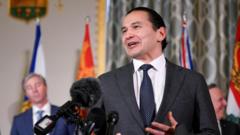
Manitoba Premier's Call to Action on Trade Negotiations
As a crucial US trade deadline looms on the horizon, Manitoba's Premier Wab Kinew has issued a forceful message that Canada should take a firm stance in ongoing negotiations. The pronouncement comes at a pivotal moment when Prime Minister Mark Carney faces mounting pressure to secure public support for potential trade agreements with the United States. This US trade deadline has become a focal point for political discourse across the nation, with regional leaders weighing in on how Canada should respond to American demands and proposals.
Challenging Political Landscape for Leadership
Kinew's remarks represent a significant challenge to the federal government's negotiating position. The Manitoba premier's tough rhetoric signals that provincial leaders are prepared to push back against what they perceive as unfavorable terms or inadequate consideration of Canadian interests. This positions PM Carney in a difficult spot, as he must navigate not only international diplomatic channels but also secure consensus among Canada's provincial representatives.
The convergence of this US trade deadline with domestic political pressure creates a complex environment where the Prime Minister must balance competing interests. Regional economies, labor groups, and industry stakeholders all have different perspectives on how aggressively Canada should push back in negotiations with the United States.
Public Opinion and Trade Deal Support
The path to gaining buy-in from Canadians on any proposed trade deal has become increasingly challenging. Kinew's comments appear designed to mobilize public sentiment around the idea that Canadian negotiators should maintain a strong bargaining position. The premier's intervention suggests that without clear commitments to protect Canadian interests, public support for any final agreement may remain fragile.
Regional Voices in National Negotiations
Manitoba's perspective carries weight in these discussions, given the province's significant economic stake in cross-border commerce. Agricultural exports, manufacturing, and resource sectors in Manitoba depend heavily on stable trade relationships with American counterparts. Kinew's call for Canada to "fight" reflects the legitimate concerns of provinces that could face substantial economic consequences from unfavorable trade terms.
The premier's tough stance also highlights the reality that trade negotiations are not purely federal matters. Provincial leaders have legitimate interests in the outcomes, and their voices can influence both public opinion and the federal government's negotiating flexibility.
The Carney Government's Balancing Act
Prime Minister Mark Carney's administration faces an intricate challenge. While maintaining constructive relationships with the United States is economically essential, the government must also demonstrate to provincial leaders and citizens that it is defending Canadian interests vigorously. The US trade deadline acts as a forcing mechanism, potentially limiting the time available for consensus-building and negotiation.
The situation underscores broader questions about trade policy in an increasingly complex global economy. Countries must weigh the benefits of open markets against protections for domestic industries and workers. Kinew's rhetoric suggests that many Canadians feel their government should prioritize the latter concern more forcefully.
Looking Forward at the Deadline
As the US trade deadline approaches, all eyes will be on how effectively the federal government manages these competing pressures. The success of any trade agreement will depend not only on securing favorable terms with American negotiators but also on building sufficient public and provincial support within Canada itself. Wab Kinew's comments have clearly elevated expectations for a tough Canadian negotiating position, setting the stage for critical weeks ahead in these crucial trade talks.


