British Steel Crisis: Watchdog Demands Clear Government Plan
Government spending watchdog warns of soaring costs to keep British Steel operating. Labour urged to present credible strategy for the struggling manufacturer's...
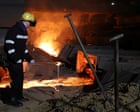
Government Watchdog Raises Alarm Over British Steel Expenses
The government's independent auditing authority has sounded the alarm over the escalating financial burden associated with maintaining British Steel as a publicly owned enterprise. With no apparent exit strategy in place, officials are warning that the costs of sustaining the struggling steelmaker have reached what they describe as "startling" levels, prompting urgent calls for political leadership to establish a comprehensive and achievable British Steel government plan.
The Office for Budget Responsibility and parliamentary oversight committees have intensified pressure on the Labour administration to articulate a clear roadmap for the company's direction. The warnings come at a critical juncture, as the organization continues to consume substantial public resources while facing an uncertain commercial future.
Background to British Steel's Public Takeover
British Steel entered state ownership during the summer of 2024, a decision framed as essential to safeguard domestic steel production capabilities. This intervention represented the second major rescue operation in less than two years. Previously, in early 2023, the government had intervened to prevent the complete shutdown of the company's principal manufacturing facility located in Scunthorpe, in the East Midlands region.
That initial rescue operation was justified on the grounds of protecting thousands of jobs and maintaining critical manufacturing infrastructure. The Scunthorpe steelworks, which employs approximately 4,000 workers, stands as one of the nation's most significant steel production centers. The prospect of its closure would have devastated local communities and further weakened Britain's industrial base.
Mounting Costs and Financial Concerns
Since taking the company into public ownership, the financial burden has grown considerably. Government officials acknowledge that current expenditure levels are unsustainable without a defined strategy for either returning the company to profitability or restructuring its operations fundamentally.
The spending watchdog's warnings highlight a critical governance issue: public funds are being committed indefinitely without clear metrics for success or a defined timeline for resolving the company's underlying challenges. This open-ended financial commitment raises questions about resource allocation across other essential public services.
Labour's Strategic Challenges
The incoming Labour government inherited this complex situation and now faces pressure to demonstrate that British Steel government plan decisions are being made strategically rather than reactively. Critics argue that the current approach amounts to managing crisis rather than implementing transformation.
The administration must balance several competing priorities: maintaining employment in steel production, ensuring the facility remains operationally viable, securing long-term commercial viability, and demonstrating responsible stewardship of public finances. These objectives do not necessarily align, creating genuine policy dilemmas.
Industrial Policy and Steel Production
The Scunthorpe steelworks represents more than just an employer; it symbolizes Britain's commitment to maintaining strategic industrial capabilities. Steel production has been increasingly concentrated in other nations, and policymakers view domestic capacity as essential for national security and economic resilience.
However, this strategic importance must be balanced against economic reality. The steelmaking industry faces significant headwinds, including global competition, energy costs, and environmental compliance requirements. Any credible British Steel government plan must address these fundamental market challenges rather than merely subsidizing existing operations.
Calls for Transparency and Direction
Parliamentary committees and watchdog organizations are demanding that the government provide detailed information about its intentions regarding the company. Stakeholders want clarity on whether the objective is eventual privatization, permanent public ownership, restructuring, or some hybrid approach.
The lack of such transparency undermines investor confidence and makes it difficult for company management to make strategic decisions about capital investment, workforce development, and operational improvements. Workers and their representatives also require assurance about the company's future viability and their job security.
Looking Forward
The mounting pressure on the government reflects broader questions about industrial policy in modern Britain. As the nation seeks to rebalance its economy and rebuild manufacturing capacity, the British Steel case will likely set important precedents for how such interventions are structured and managed.
A credible, long-term strategy for British Steel government plan implementation is not merely a fiscal imperative but an essential element of national industrial strategy. Without such a plan, continued public investment risks becoming an indefinite subsidy rather than a pathway to sustainable, commercially viable steel production.