Advanced Microscope Technology Offers Hope for Treating Incurable Bowel Disease
Cutting-edge microscope technology operating at 10x resolution could unlock treatments for incurable bowel disease affecting millions worldwide, offering new ho...
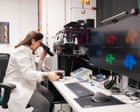
Revolutionary Microscope Technology for Bowel Disease Research
Scientists are turning to innovative imaging technology to combat incurable bowel disease, with researchers developing an advanced microscope system designed to reveal previously undetectable cellular mechanisms. This groundbreaking incurable bowel disease research represents a significant leap forward in understanding conditions like Crohn's disease and ulcerative colitis that affect hundreds of thousands of people globally.
Understanding the Scale of Inflammatory Bowel Disease
The prevalence of incurable bowel disease continues to rise, particularly among younger demographics. According to the British Society of Gastroenterology, more than half a million individuals in the United Kingdom are currently living with inflammatory bowel disease (IBD). This figure reflects a concerning trend affecting populations across Europe, North America, and other developed nations, where these debilitating conditions impact quality of life and require ongoing medical management.
The Microscope's Unprecedented Capabilities
The cutting-edge microscope, known as 'Curie,' represents a technological breakthrough in medical imaging. Operating at 10 times the resolution of conventional microscopy equipment, this advanced system enables researchers to examine tissue samples with unprecedented detail. The enhanced magnification capabilities allow scientists to observe cellular and molecular structures that remain invisible under traditional imaging methods, potentially revealing the root causes of incurable bowel disease that have remained elusive for decades.
This superior resolution capacity could fundamentally change how medical professionals approach diagnosis and treatment development for inflammatory bowel disease sufferers. By visualizing disease mechanisms at the microscopic level, researchers may identify specific cellular targets for therapeutic intervention, leading to more effective and personalized treatment strategies.
Advancing Treatment Development
The discovery and understanding of disease mechanisms through advanced imaging could directly lead to new pharmaceutical and biological treatments. Researchers hope that by utilizing this microscope technology, they will uncover previously unknown pathways contributing to incurable bowel disease progression. This knowledge could facilitate the development of targeted therapies addressing the fundamental causes rather than merely managing symptoms.
The implications for patients with inflammatory bowel disease are substantial. Current treatment options primarily focus on suppressing immune responses and managing inflammation, but they do not cure the underlying condition. Identifying the actual root cause of incurable bowel disease through advanced microscopy could enable researchers to design interventions that address disease etiology directly.
Global Impact on Gastroenterology Research
This technological advancement comes at a critical time when healthcare systems worldwide are struggling to manage the increasing burden of inflammatory bowel disease. The rise in incidence among younger populations suggests environmental, genetic, or lifestyle factors may be playing increasingly significant roles. Understanding these factors through enhanced microscopy could revolutionize preventive approaches and early intervention strategies.
Research institutions and pharmaceutical companies are actively collaborating on utilizing this microscope technology to accelerate treatment discovery. The international gastroenterology community recognizes that conventional research methods have reached their limitations in uncovering why certain individuals develop incurable bowel disease while others remain unaffected.
Looking Forward: Hope for IBD Patients
For the millions of people living with Crohn's disease, ulcerative colitis, and other forms of incurable bowel disease, this technological innovation represents genuine hope for improved medical outcomes. While challenges remain in translating microscopic discoveries into clinical treatments, the enhanced imaging capabilities provide researchers with tools previously unavailable for investigating disease mechanisms.
The development and deployment of the Curie microscope system demonstrates how technological innovation in medical imaging can address longstanding healthcare challenges. As researchers continue exploring disease mechanisms using this advanced equipment, the medical community anticipates breakthrough discoveries that could transform treatment paradigms for inflammatory bowel disease patients worldwide.