ADHD Reshapes Modern Workplaces: What Employers Need to Know
ADHD diagnoses surge in workplaces. Discover how organizations adapt to support employees with ADHD and drive productivity growth.
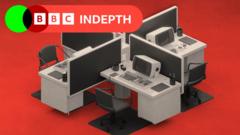
ADHD Transforms the Professional Environment
The significant increase in ADHD diagnoses has fundamentally altered workplace dynamics, creating both challenges and opportunities for modern organizations. As more employees seek diagnosis and treatment, companies must evaluate whether their current systems and policies adequately address the needs of this growing demographic. ADHD in workplaces is no longer a niche concern but a critical factor in organizational design and management strategy.
The Rising Trend of ADHD Identification
Over recent years, awareness and diagnosis rates for Attention-Deficit/Hyperactivity Disorder have climbed substantially across professional sectors. This surge reflects improved diagnostic accuracy, reduced stigma, and greater access to mental health resources. Employees who previously struggled without understanding their condition now have clarity and pathways toward treatment, fundamentally changing how workforce dynamics function.
Gaps Between Diagnosis and Workplace Readiness
Despite the increase in ADHD diagnoses, many organizations have not implemented corresponding structural changes. Traditional office environments—with open floor plans, rigid schedules, and constant meeting cultures—often exacerbate ADHD symptoms. Employees with ADHD frequently experience difficulty concentrating in high-stimulation settings, managing time-dependent projects, and navigating complex social hierarchies inherent in conventional workplaces.
Infrastructure Challenges
Modern workplaces continue operating under assumptions designed for neurotypical workers. Meeting-heavy schedules, persistent notifications, and constant connectivity expectations create particular obstacles for ADHD employees. Many organizations lack dedicated quiet spaces, flexible scheduling options, or asynchronous communication channels that would support neurodivergent staff members.
Impact on Employee Performance and Retention
When workplaces fail to accommodate ADHD needs, consequences ripple through organizational performance metrics. Employees with unaddressed ADHD may experience reduced productivity, higher stress levels, and greater likelihood of departing for more accommodating environments. Conversely, companies implementing supportive structures report improved retention, enhanced engagement, and measurable performance gains among neurodivergent employees.
Progressive Organizations Leading the Shift
Forward-thinking companies recognize ADHD accommodation as a competitive advantage. Some innovative employers have introduced flexible work arrangements, noise-canceling headphones, standing desks, and remote work options. Others implemented structured task management systems, regular one-on-one check-ins, and clearer communication protocols that benefit all employees while specifically supporting those with ADHD.
Practical Accommodations Making Differences
Organizations implementing meaningful changes report tangible results. Offering flexible start times allows ADHD employees to work during peak focus periods. Reducing unnecessary meetings and creating asynchronous collaboration tools decreases stimulation overload. Providing coaching or organizational assistants helps with task prioritization and deadline management—critical support for neurodivergent team members.
Responsibility of Leadership and Management
Managers play crucial roles in creating ADHD-friendly workplace cultures. Training supervisors to recognize ADHD symptoms, understand neurodiversity principles, and implement supportive management approaches transforms organizational capacity. Leadership commitment to accessibility represents not merely compliance with disability regulations but strategic investment in employee wellbeing and performance.
Building Neuroinclusive Work Environments
Creating truly supportive workplaces requires comprehensive approaches addressing multiple dimensions. Companies must examine hiring practices, onboarding procedures, performance evaluation systems, and promotional pathways through neuroinclusive lenses. Diverse neurotypes bring valuable perspectives, creative problem-solving approaches, and unique skill sets when environments accommodate their needs appropriately.
Looking Forward: Workplace Evolution
As ADHD diagnoses continue rising, workplaces will increasingly confront necessity for meaningful adaptation. Organizations that proactively redesign systems to support neurodivergent employees gain competitive advantages in talent acquisition and retention. The future workplace demands flexibility, understanding, and commitment to accommodating diverse cognitive styles—ensuring that ADHD employees can contribute fully to organizational success while maintaining wellbeing and career satisfaction.


