ADHD Charity Criticizes Channel 4's Controversial Documentary Series
ADHD charity organizations express concerns over Channel 4's 'The Great ADHD Myth' documentary, labeled controversial by media outlets and experts.
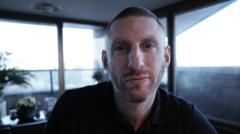
ADHD Charity Raises Serious Concerns About Channel 4 Programming
An ADHD charity has formally complained about Channel 4's documentary presentation, sparking significant debate within the mental health advocacy community. The ADHD charity criticism centers on how the network portrayed attention deficit hyperactivity disorder to its viewing audience. Industry observers have described the program as one of the most polarizing television productions of the current year, generating substantial discussion across media platforms and professional organizations.
Documentary Sparks Media Controversy
The Channel 4 documentary, titled "The Great ADHD Myth?," has become the subject of intense scrutiny from multiple stakeholders. A prominent newspaper publication designated the program as "the most controversial show of the year," underscoring the level of public and professional concern surrounding its content and messaging.
Understanding the ADHD Advocacy Response
The ADHD charity's formal complaint represents broader concerns within the neurodevelopmental health sector about media representation. Organizations dedicated to ADHD awareness and support have consistently emphasized the importance of accurate, evidence-based portrayal of the condition. The documentary's approach apparently departed from established medical and scientific consensus, prompting advocacy groups to take action.
Impact on Public Perception
When television networks broadcast content about ADHD myth narratives without proper contextual support from medical professionals, it can significantly influence public understanding of the condition. The ADHD charity complaint highlights how documentary programming carries responsibility in shaping societal attitudes toward neurodevelopmental disorders. Millions of viewers rely on reputable broadcasting networks to deliver accurate health information.
Professional Standards in Health Broadcasting
The controversy surrounding Channel 4's approach raises important questions about editorial standards in health-related programming. Broadcasting regulatory frameworks typically expect networks to ensure factual accuracy and balanced representation when covering medical topics. The ADHD charity's response suggests potential violations of these fundamental principles.
Broader Implications for Mental Health Discourse
This incident reflects ongoing tensions between entertainment-driven television programming and responsible health communication. The ADHD community and supporting organizations must balance public interest in documentary content with the responsibility to prevent misinformation. Channel 4's documentary has become a case study in how media coverage can either advance or hinder public health literacy regarding neurodevelopmental conditions like ADHD.
Moving Forward
The formal complaint lodged by the ADHD charity may influence future editorial decisions at broadcasting networks. Professional bodies and advocacy organizations continue monitoring how major television providers cover sensitive health topics. The outcome of this complaint could establish precedents for documentary production standards across the industry, particularly regarding how conditions like ADHD are represented to mass audiences.


